Is Peanut Butter Healthy? What a Spoonful Really Gives You
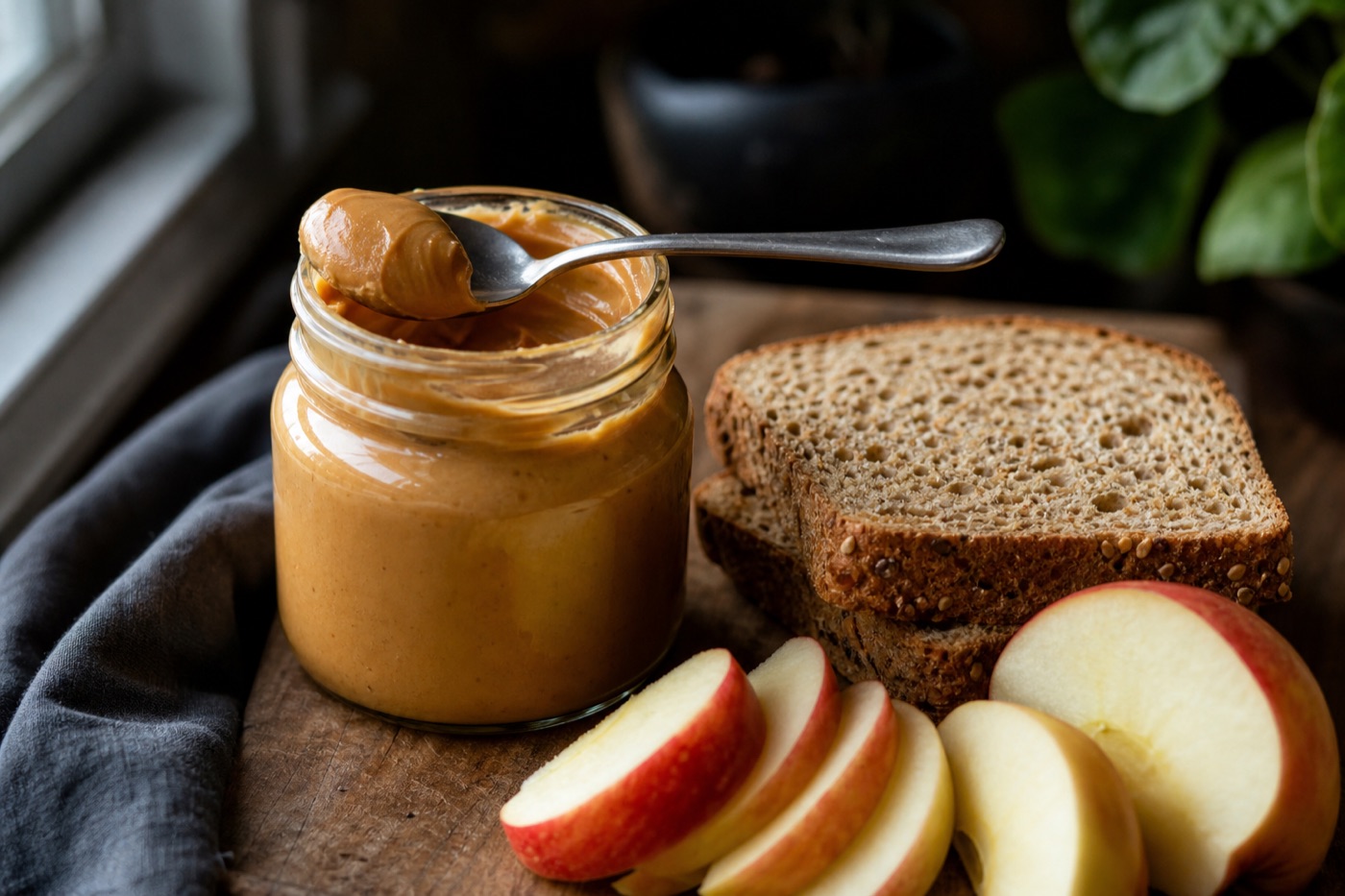
It is creamy, cheap and suspiciously beloved. Here is what two tablespoons actually deliver, where the jar can trip you up, and how to pick a good one.
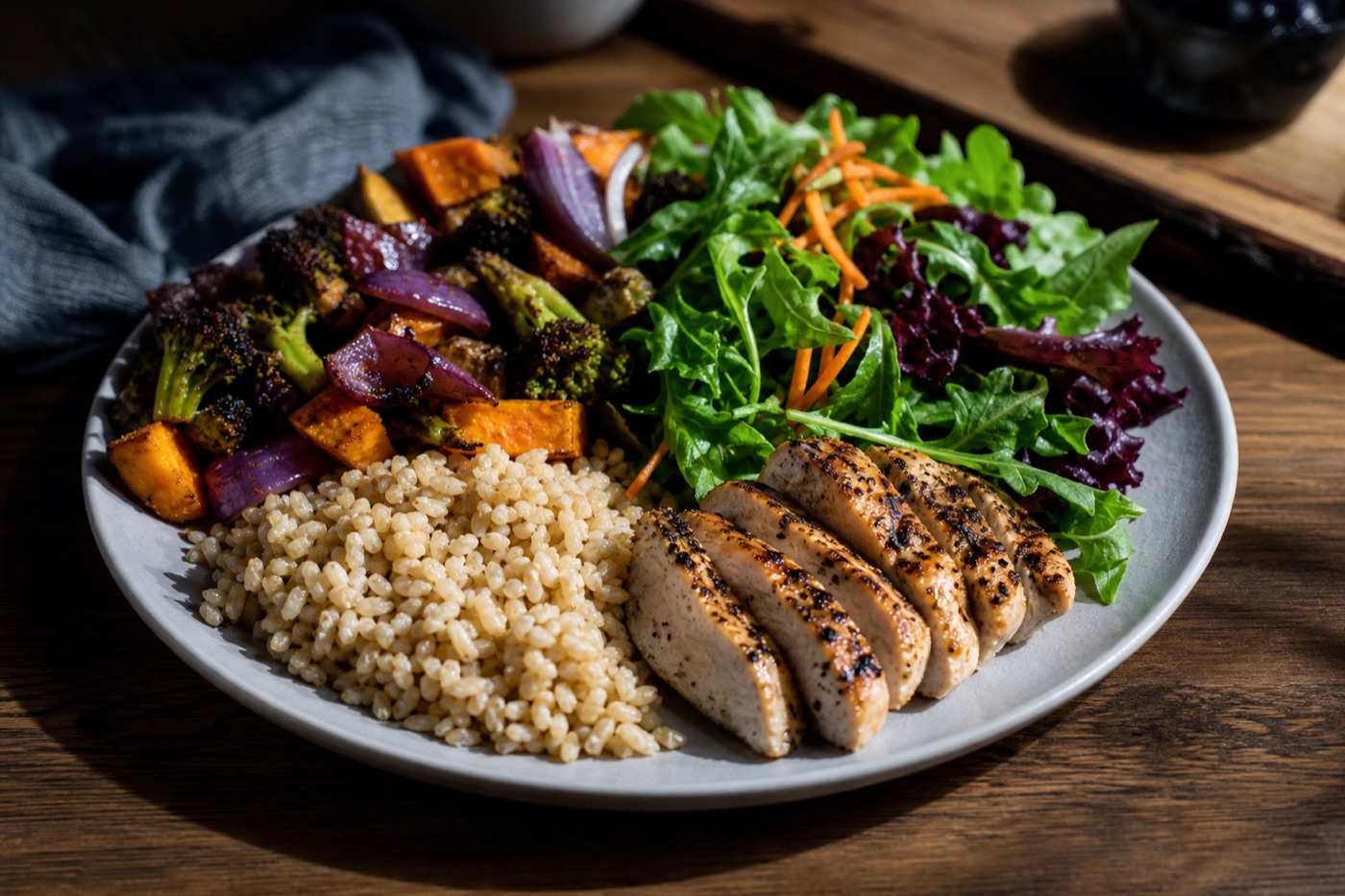
Forget the 30-day purge. A healthier way of eating starts with a handful of small, boring, repeatable changes, and here is the order to make them in.
Start small. Fill half your plate with vegetables and fruit, choose whole grains more often, include a protein at each meal, and swap sugary drinks for water. Change one or two habits at a time, keep foods you enjoy, and build from there instead of following a strict diet.
It is creamy, cheap and suspiciously beloved. Here is what two tablespoons actually deliver, where the jar can trip you up, and how to pick a good one.
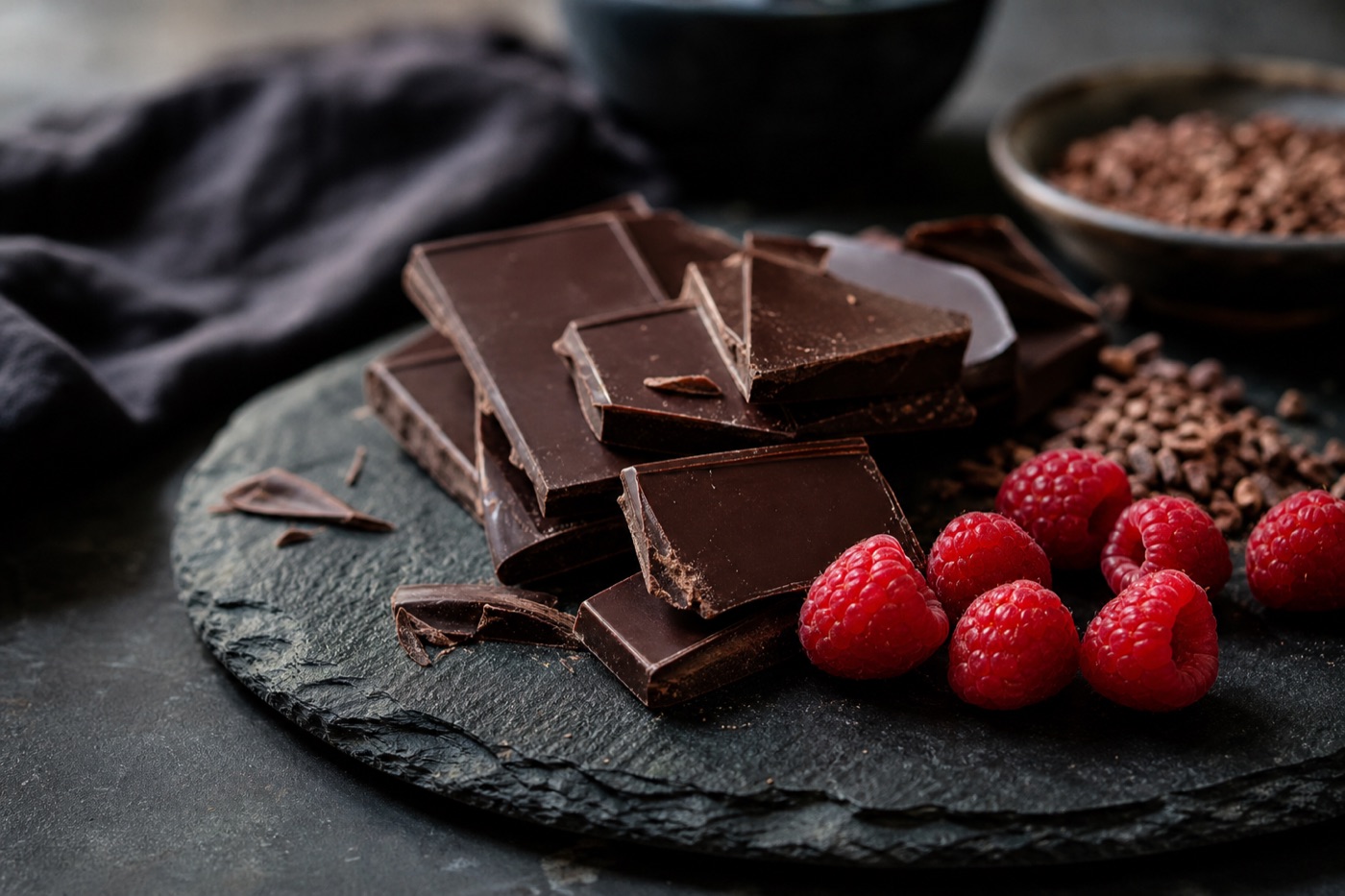
Dark chocolate has a reputation as the dessert you can defend. It earns some of that, as long as you remember it is still dessert.
Healthy eating does not require a specialty grocer or a superfood budget. It requires a plan, a few humble staples and a freezer you are not afraid to use.
Straight verdicts on the foods you eat every week, with what is in them, what is good, and the catch.
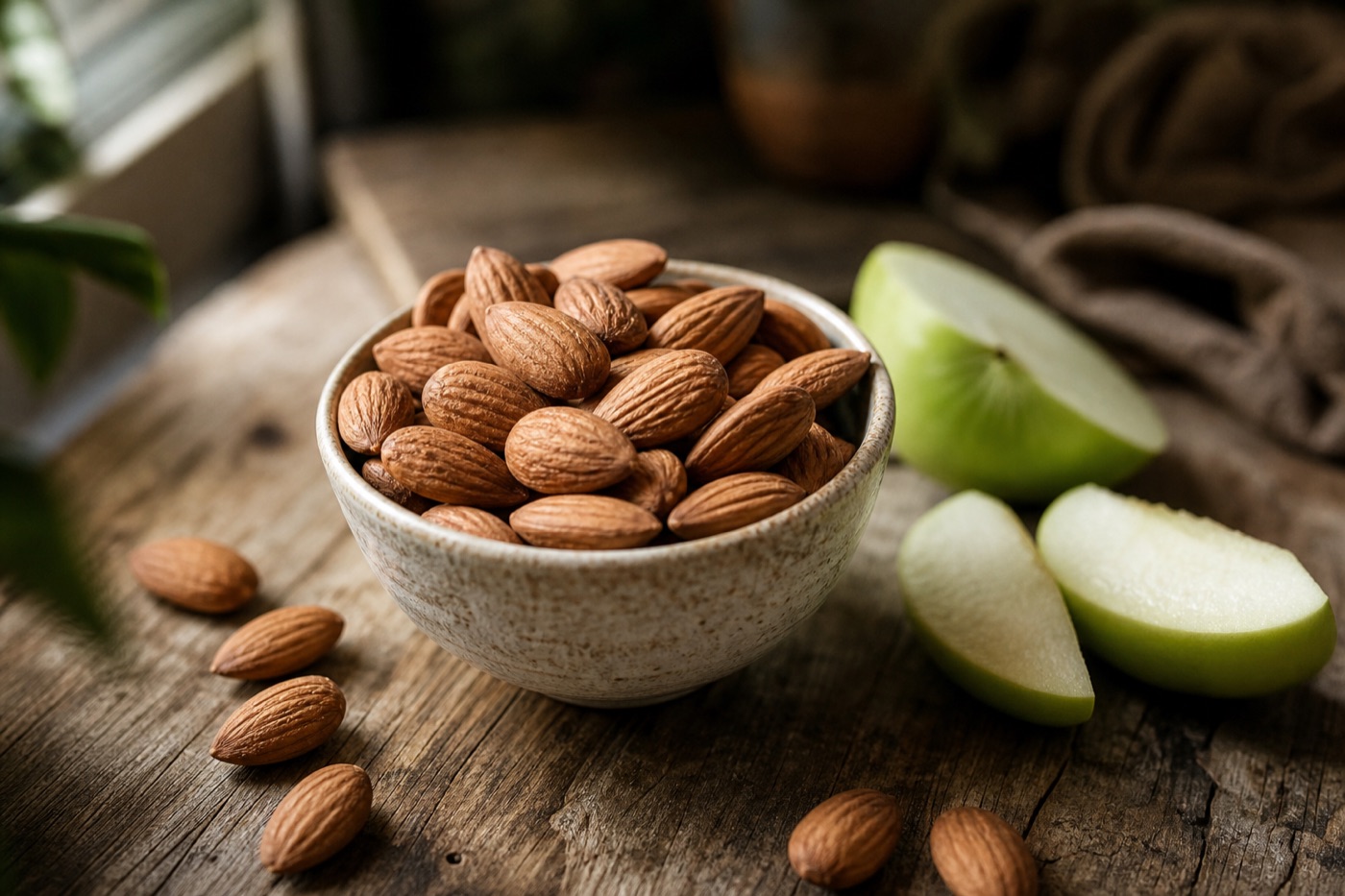
Almonds bring vitamin E, magnesium, fiber and good fats in a pocket-sized package. The only real trick is knowing when a handful becomes a bagful.
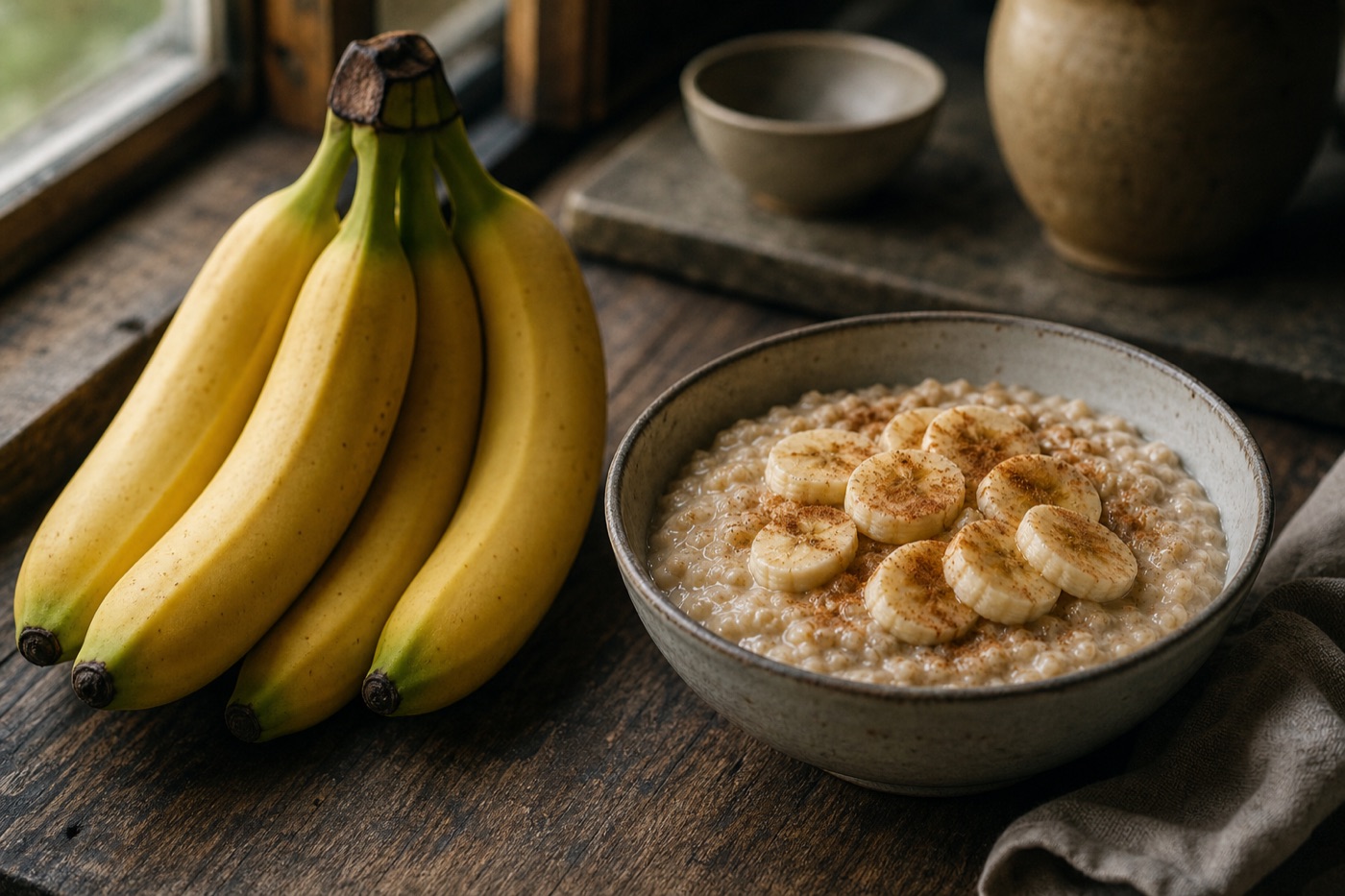
Bananas get side-eye for their sugar and carbs. Here is what one actually contains, why ripeness changes the picture, and who should keep count.
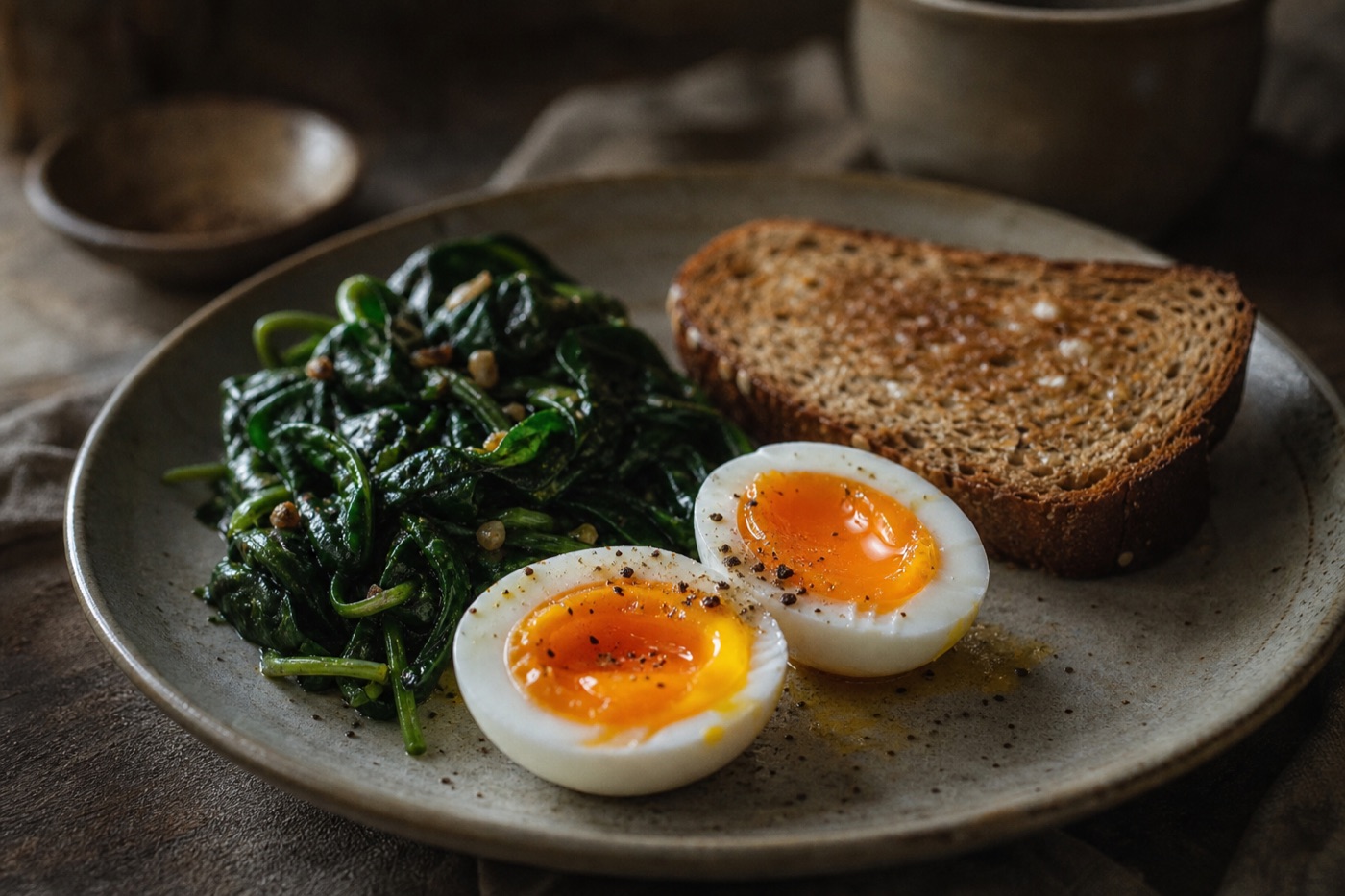
Eggs have been nutrition's favorite villain and its favorite hero, sometimes in the same decade. Here is where the evidence sits now, and what goes on the plate beside them.
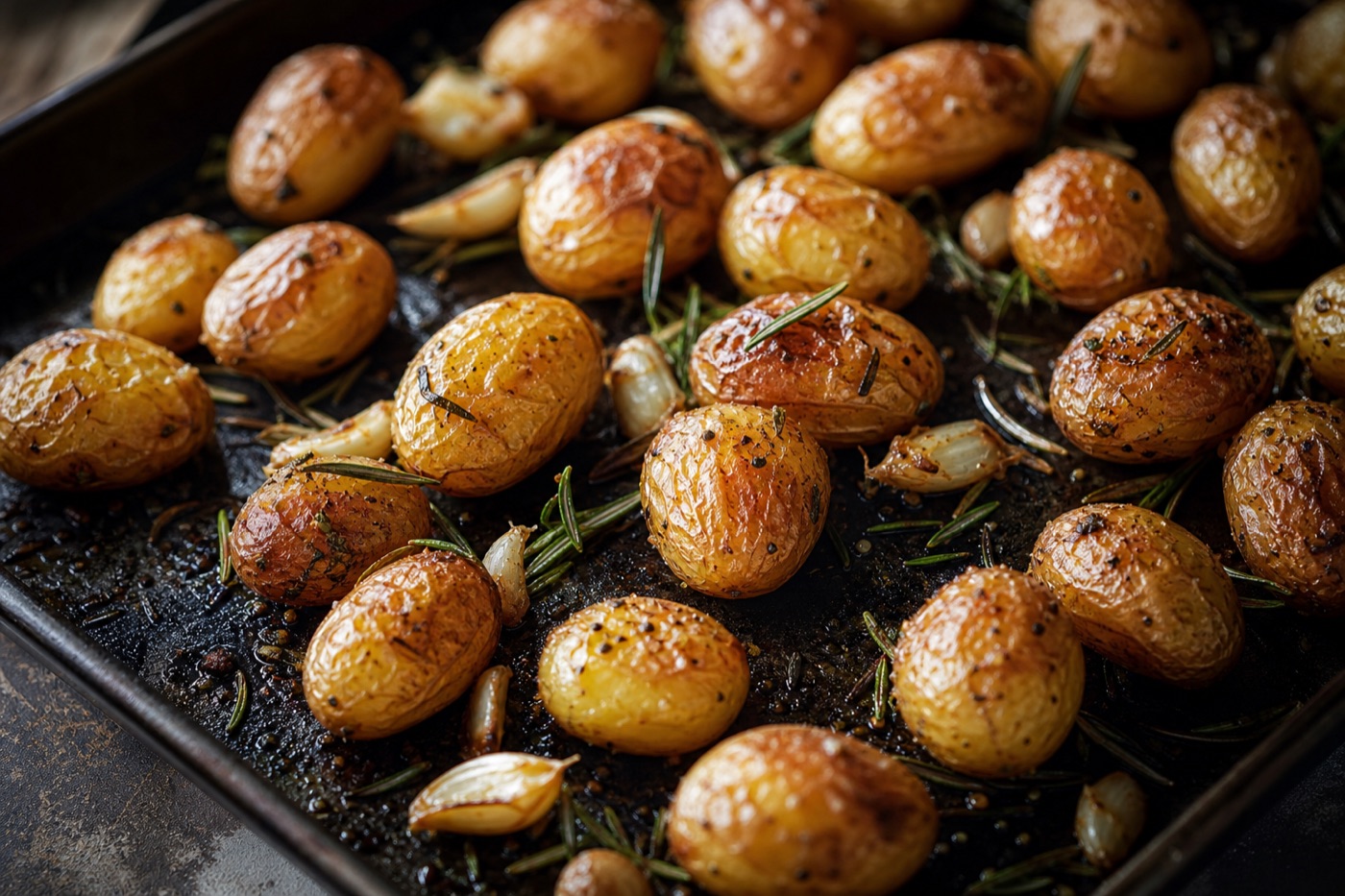
The humble potato is richer in potassium and vitamin C than most people assume. How it gets to your plate matters far more than the potato itself.
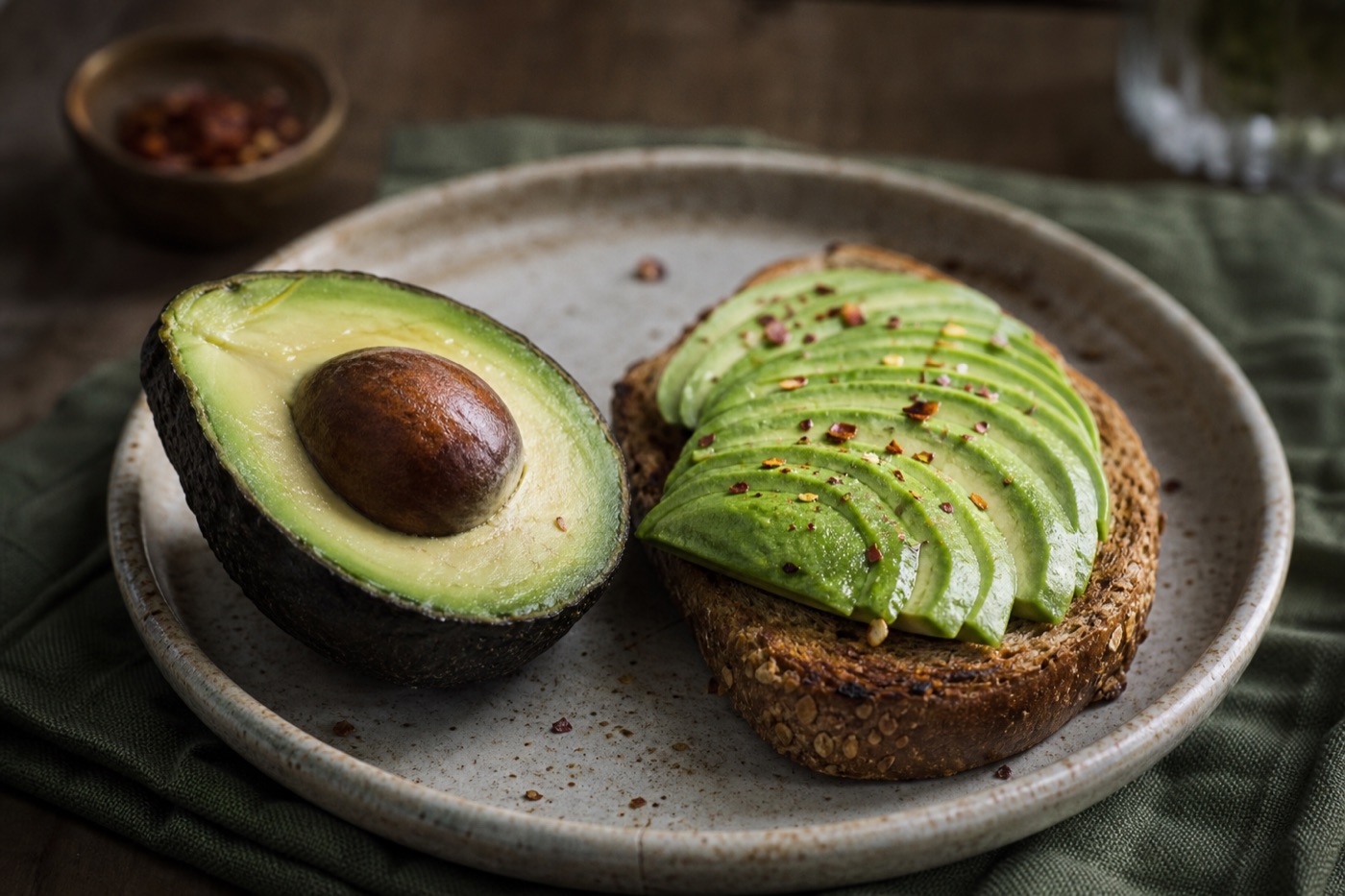
Avocado is the rare trendy food that lives up to the hype. It is also rich enough that a whole one on toast is a bigger deal than it looks.
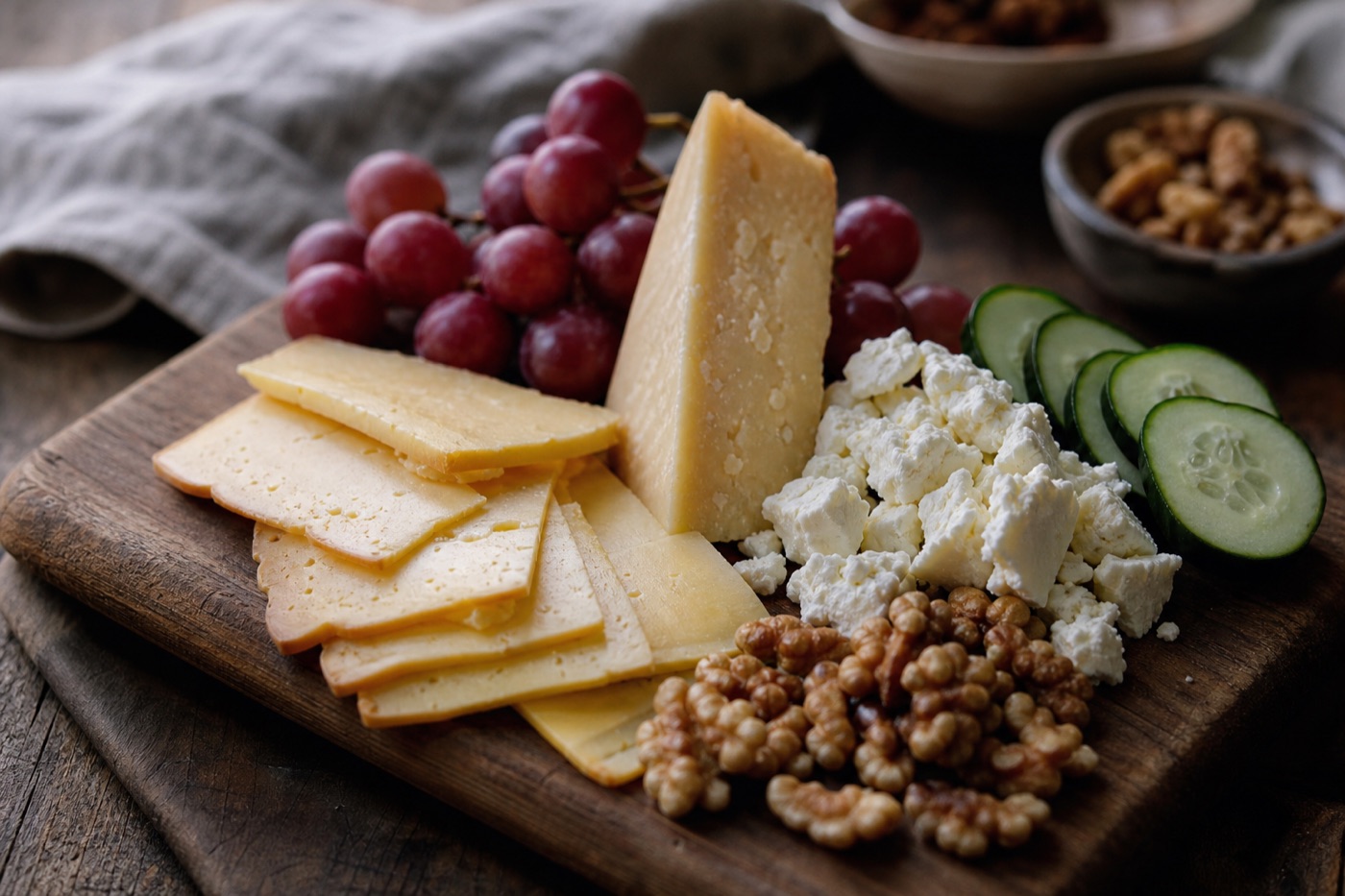
Cheese delivers protein and calcium with a side of saturated fat and sodium. Which kind you buy, and how much you grate, decides which side wins.
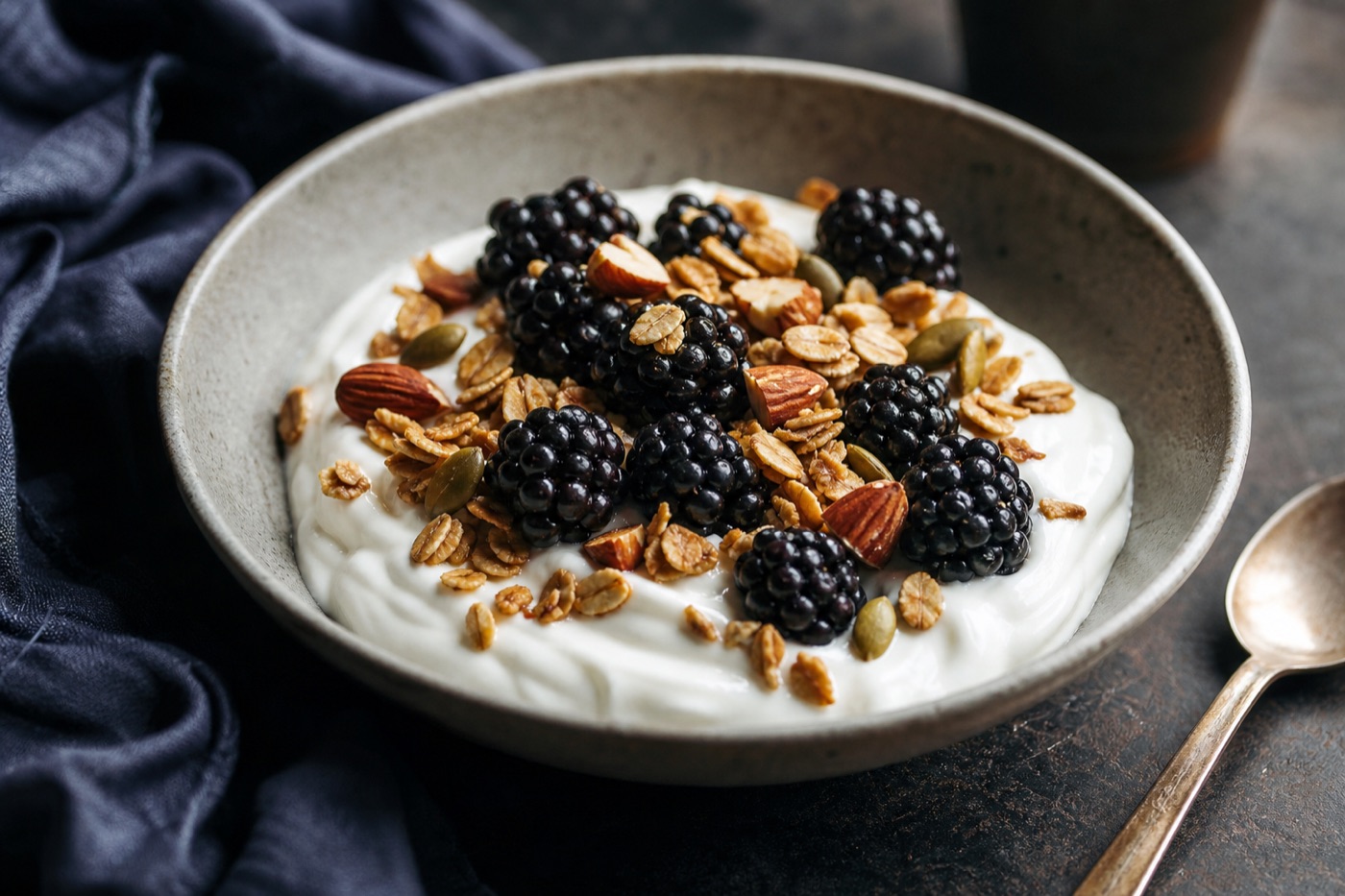
Oats, nuts and seeds sound wholesome, and they are. The oil, sugar and generous pour that hold them together are what deserve a closer look.
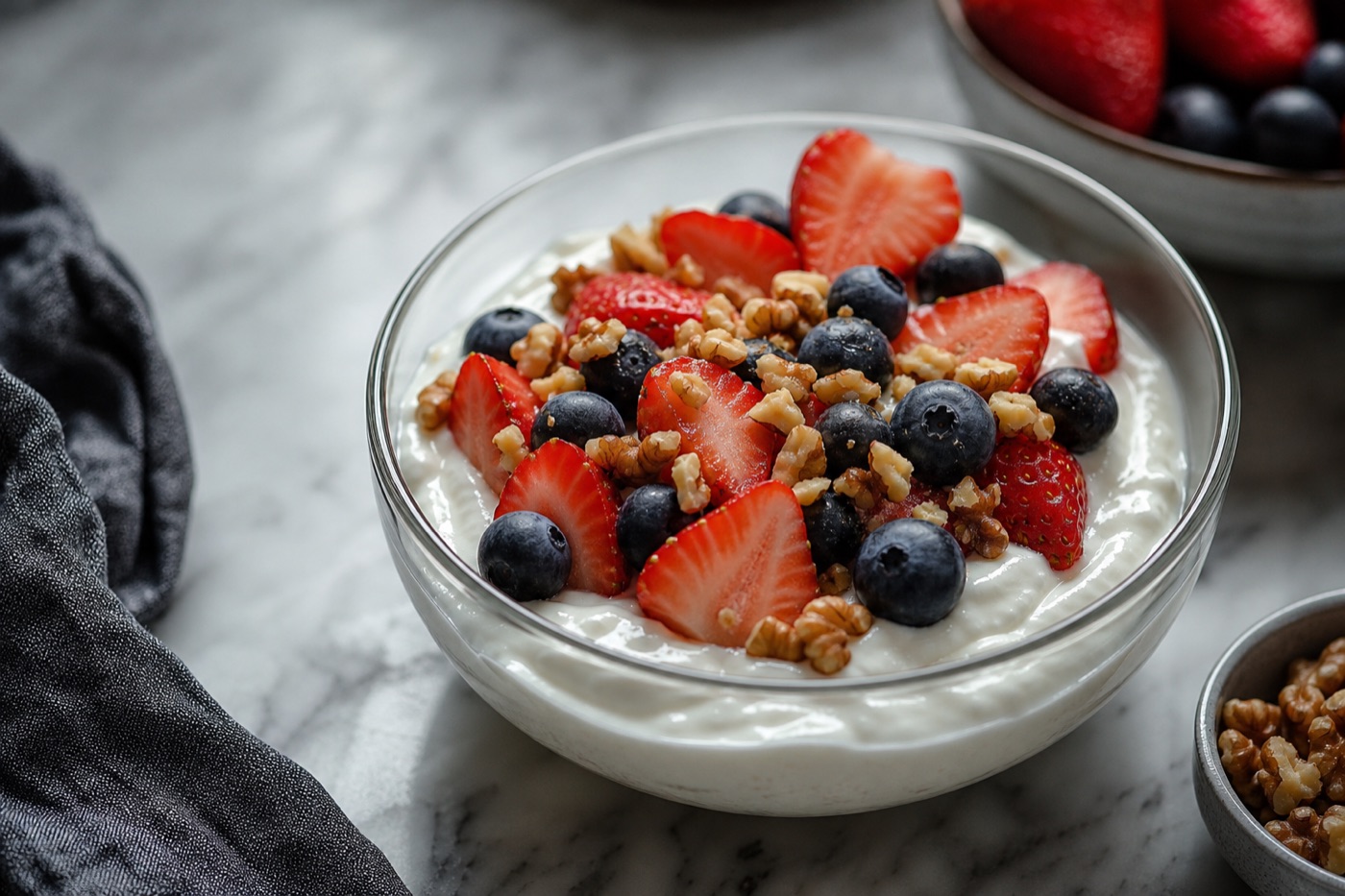
Thick, tangy and stacked with protein, Greek yogurt has earned its place in the fridge. The flavored cups are where the story gets complicated.
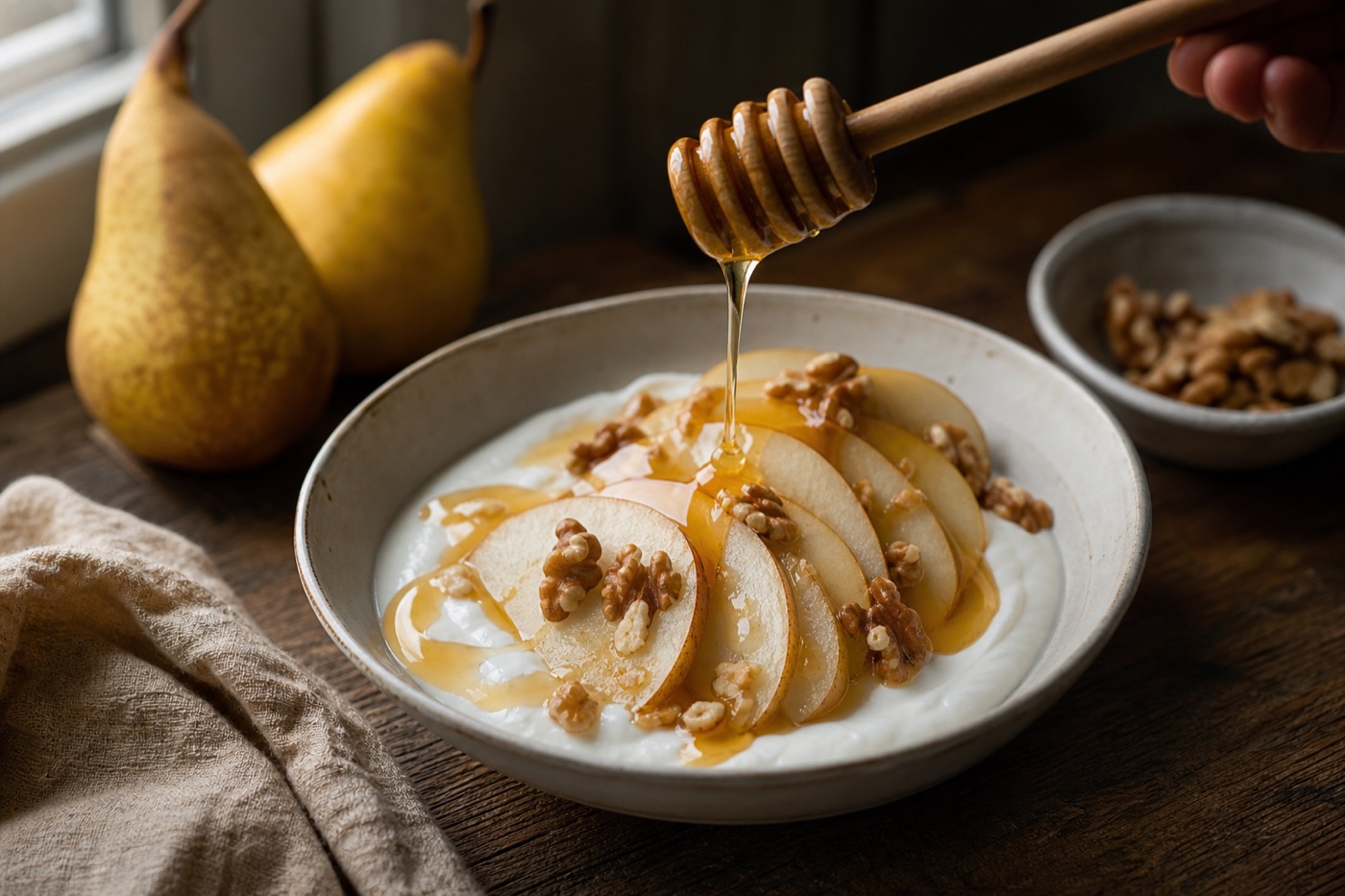
Honey has a halo that table sugar can only dream of. It is a lovely food, but your body files it in roughly the same drawer as the sugar bowl.
The apps we would use to count calories and keep a food diary, and why.
Seven apps, one question: which makes adding up a day of food quick enough that you actually keep doing it?
What you get for nothing, for about $35 a year, and for $70-plus, and why one app wins at every price.
Forget the leaderboard of features. Here is which food diary answers the question you actually have about your eating.
Practical guides to eating well on a real schedule and a real budget.
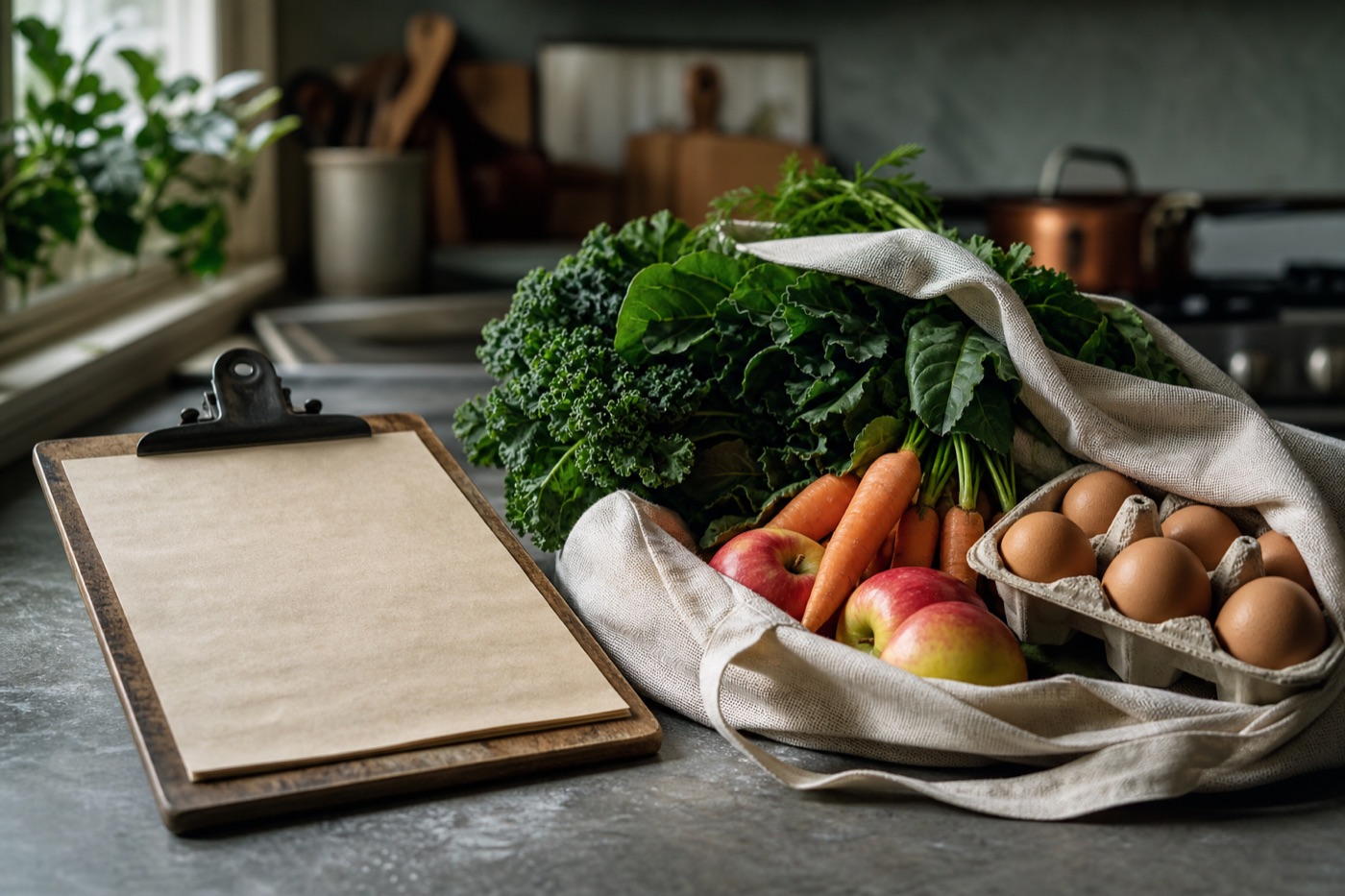
A good grocery list is the most underrated health tool in your kitchen. Here is how to write one in 15 minutes, with a template you can copy.
Calorie counting is a useful tool for learning portions and reaching a goal. Done carelessly, it is guesswork with extra steps. Here is how to do it well.
Most added sugar does not come from the cake you see coming. It comes from drinks, breakfast and snacks. Start there, taper slowly and keep the treats you love.
Restaurant meals tend to be bigger, saltier and richer than what you cook at home. A few ordering habits handle most of that, and you still get dinner out.
When the week is packed, good intentions lose to whatever is fastest. The fix: make the healthy option the fast one, with an hour of prep and a stocked kitchen.
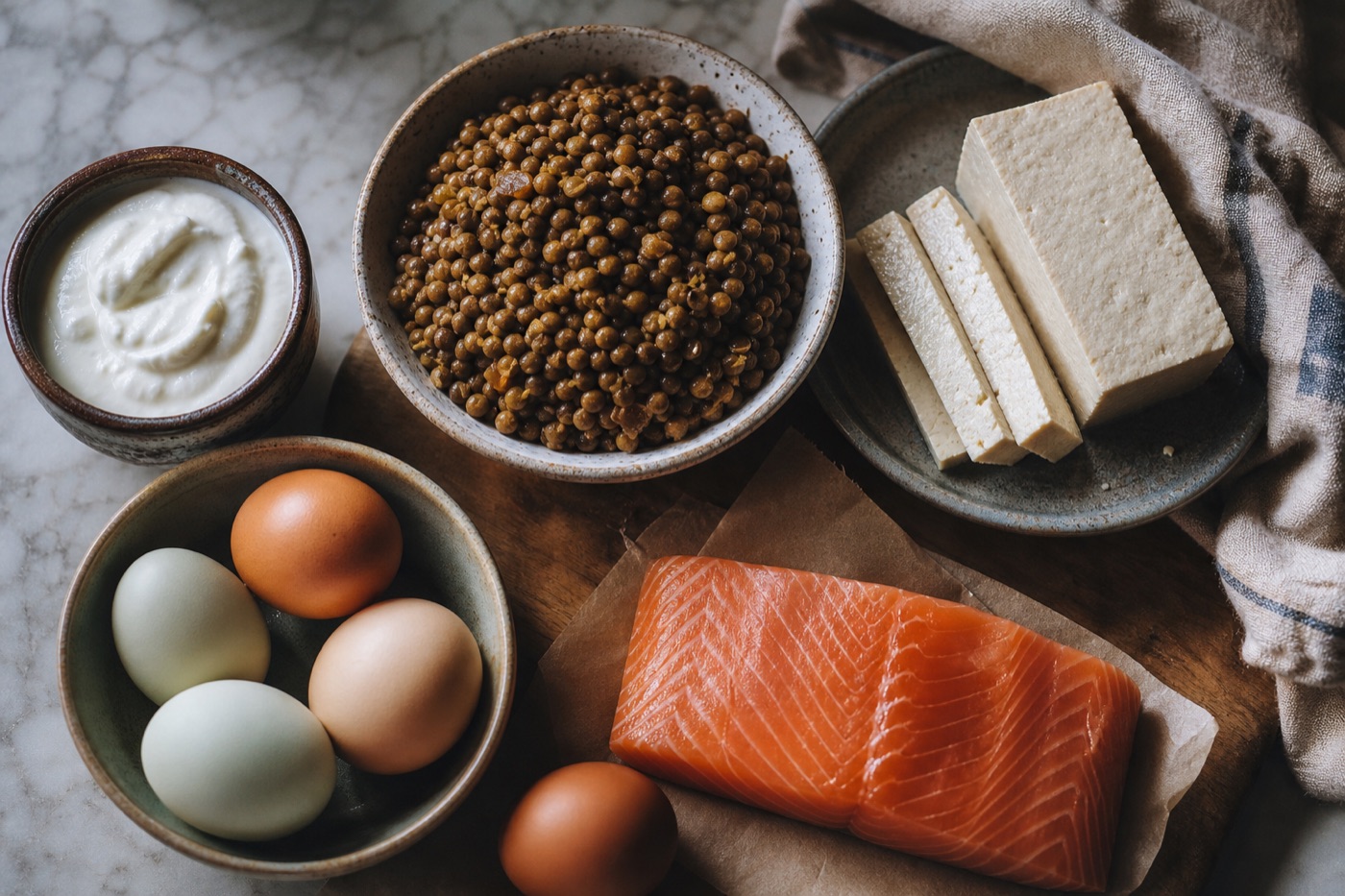
Most people do not need shakes. They need a protein food at each meal and a few smart swaps, plus a clear sense of how much is enough.
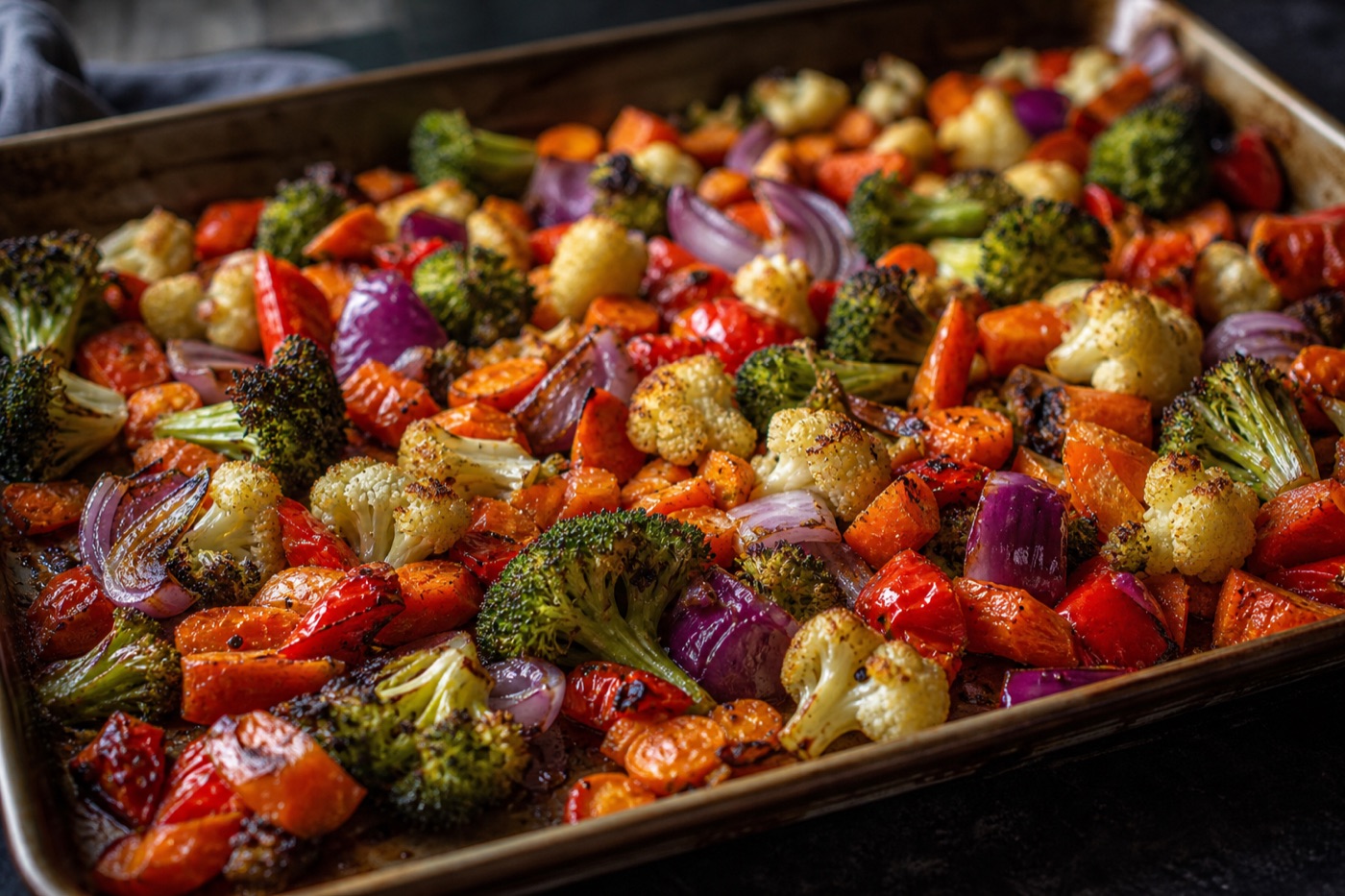
Most adults fall short on vegetables, and lectures have not helped. Better cooking, smarter shopping and a few sneaky additions work far better.
A food log is a mirror, not a report card. Pick a method that fits your life, record a few honest details and review the patterns once a week.
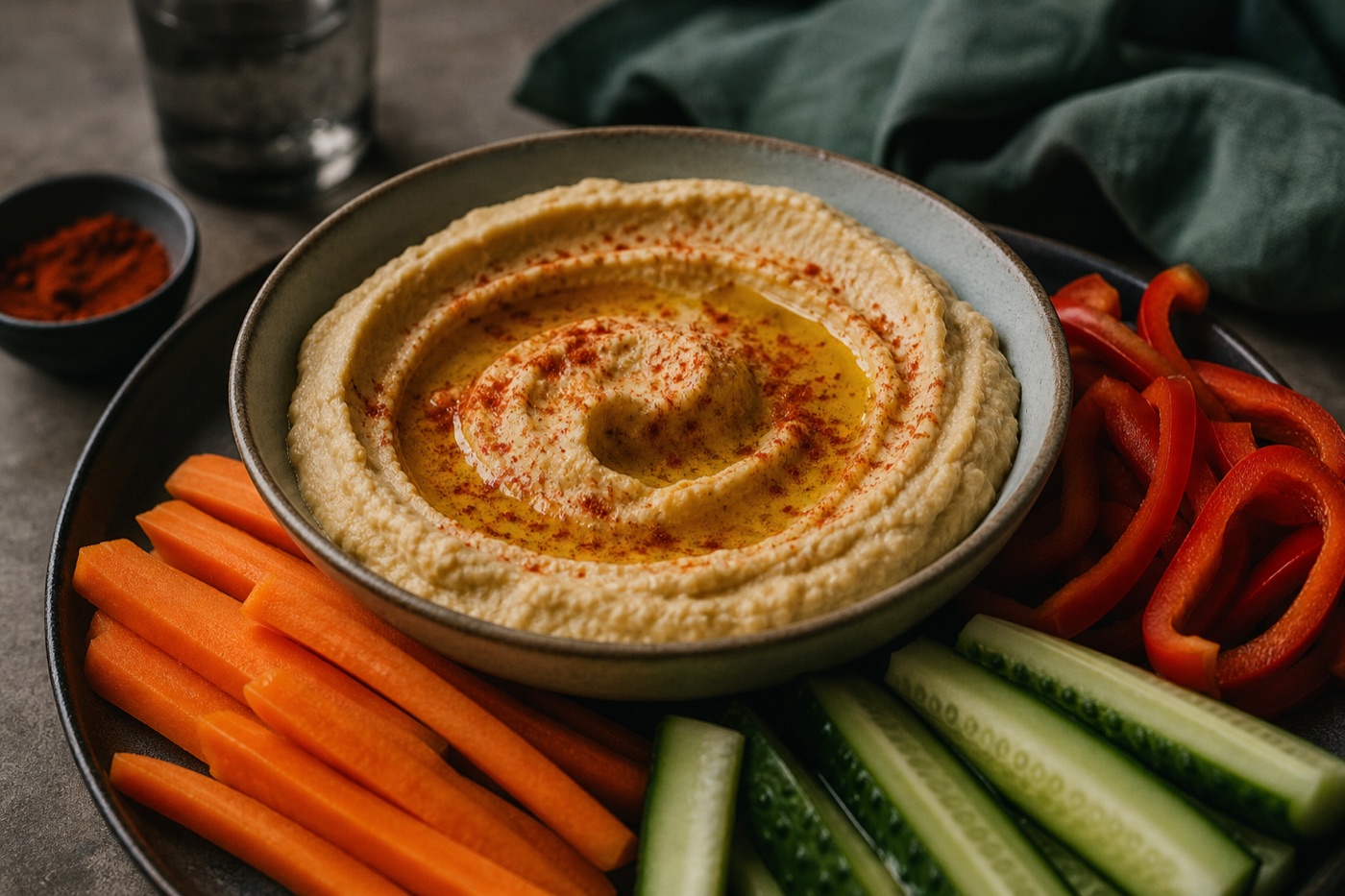
Chickpeas, tahini, lemon and olive oil add up to one of the better dips in the fridge. What you scoop it with, and how much, decides the rest.
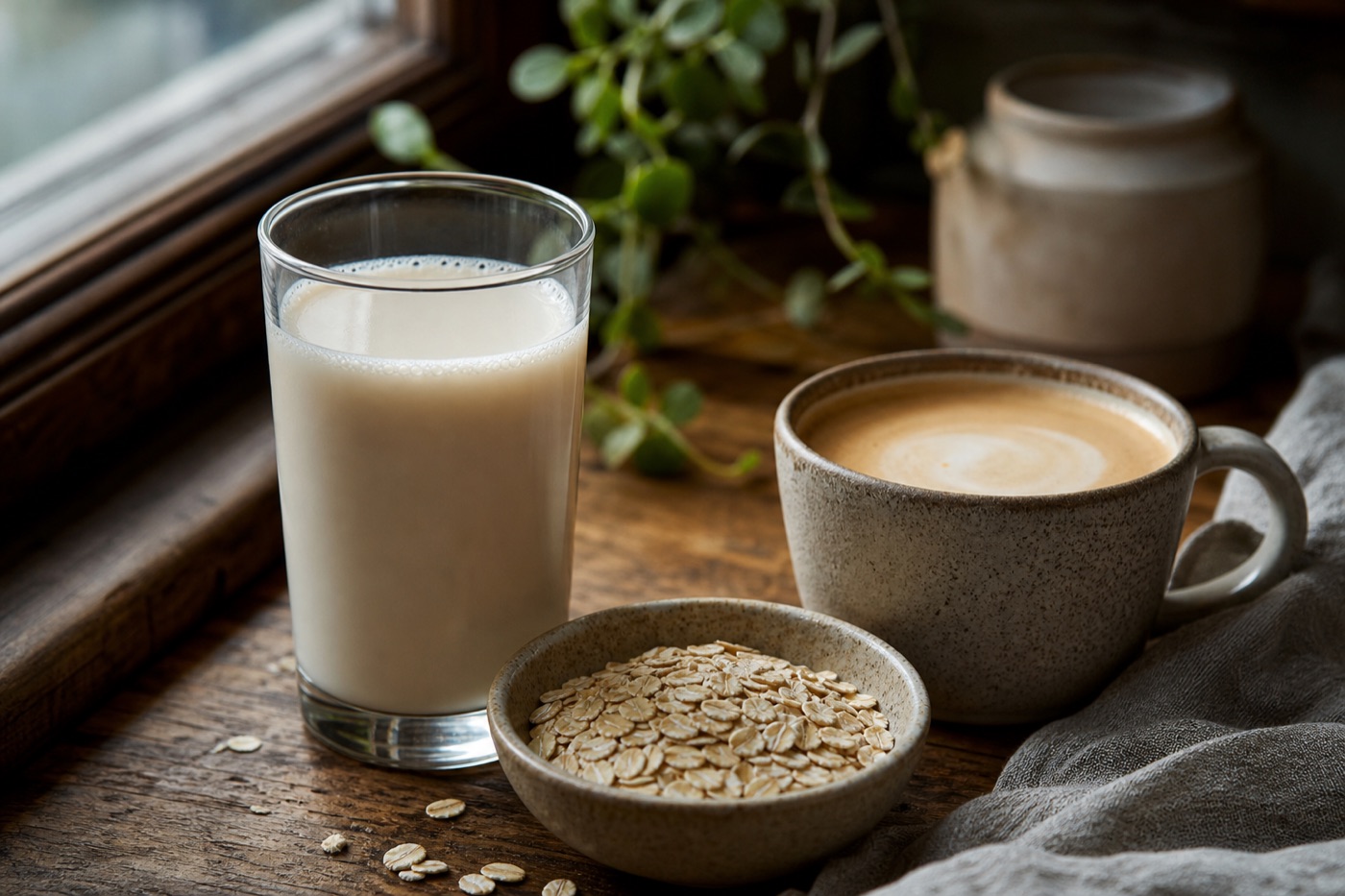
Oat milk conquered the coffee bar on texture alone. As an everyday drink, it is a fine choice with a few gaps worth knowing before you swap the whole fridge.
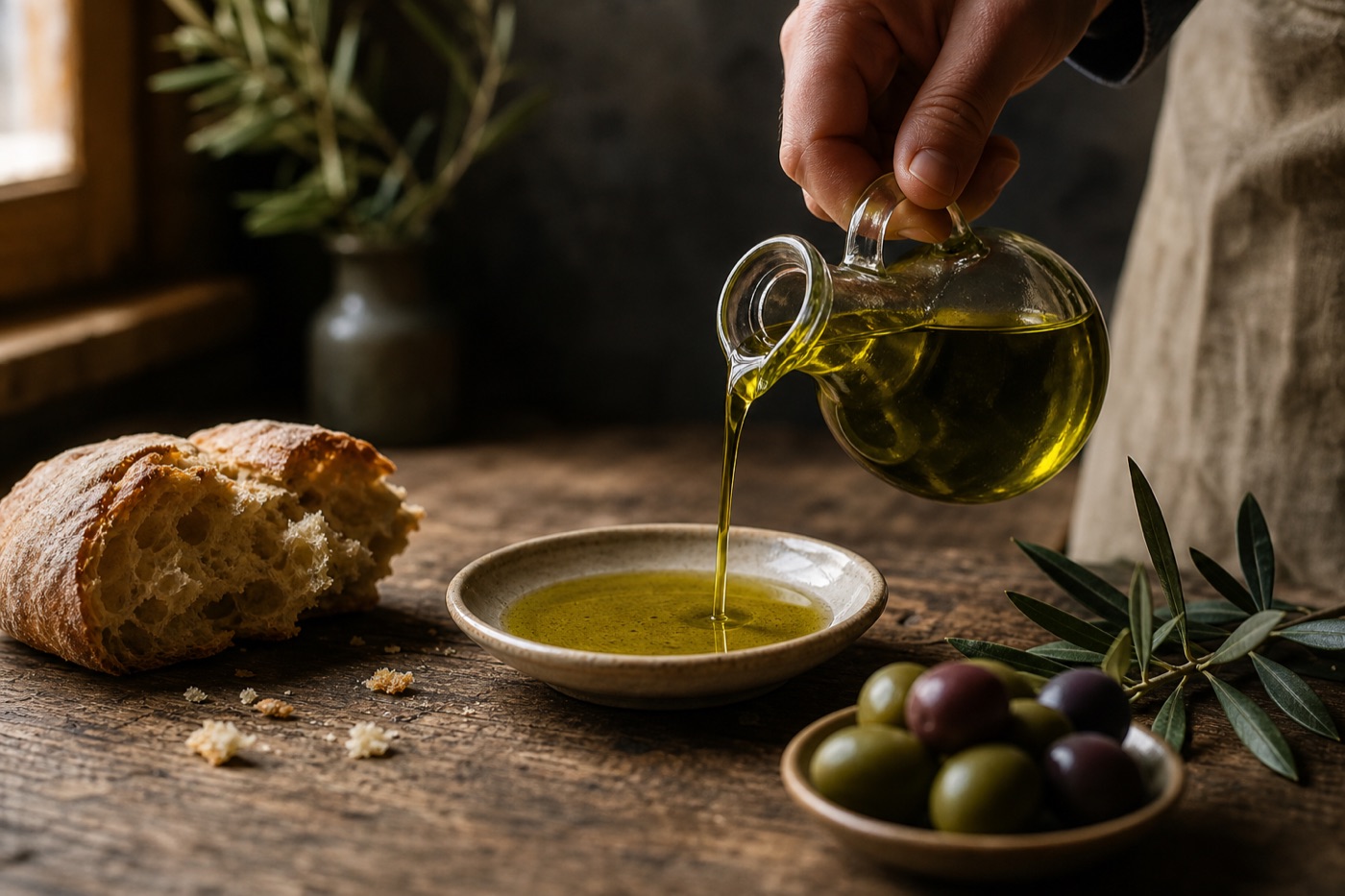
Olive oil is the backbone of the Mediterranean kitchen and one of the best-regarded fats in nutrition. It is also the easiest way to pour 400 calories without noticing.
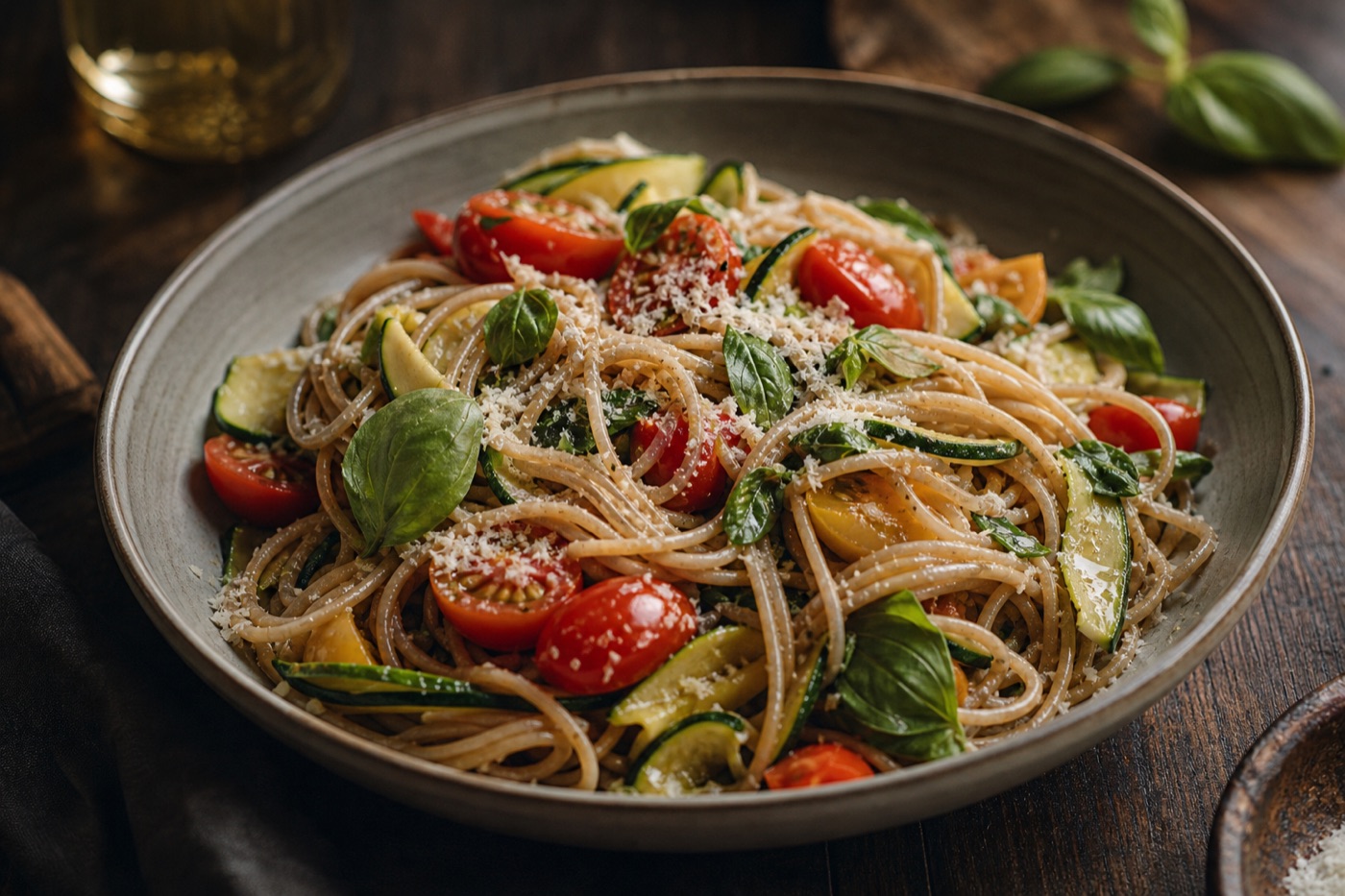
Pasta has survived low-fat, low-carb and everything in between. The noodle is rarely the problem; the portion and the sauce usually are.
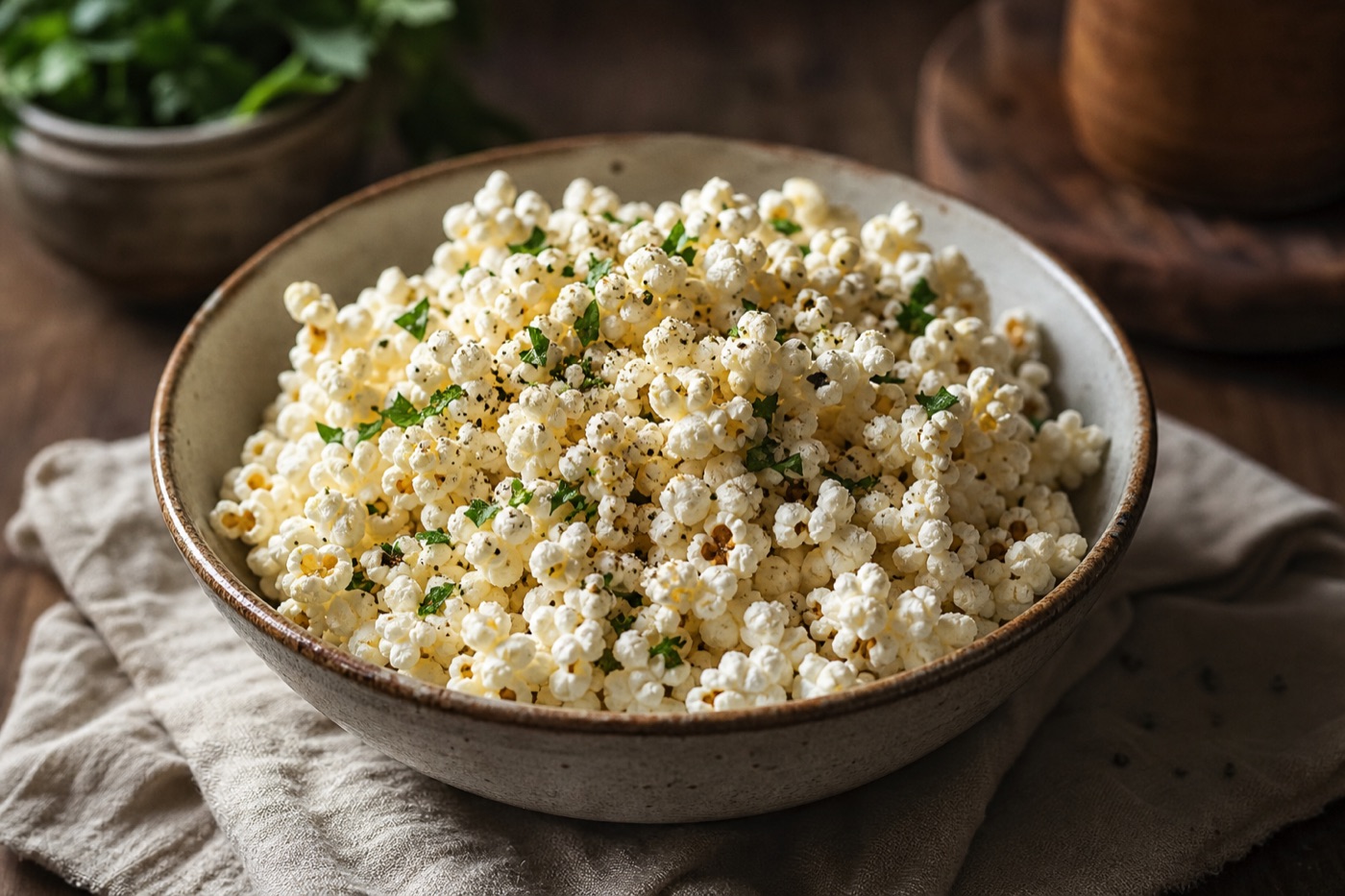
Plain popcorn is a whole grain with real fiber and very few calories per bowl. What happens to it at the movies, or in a flavored bag, is another matter.
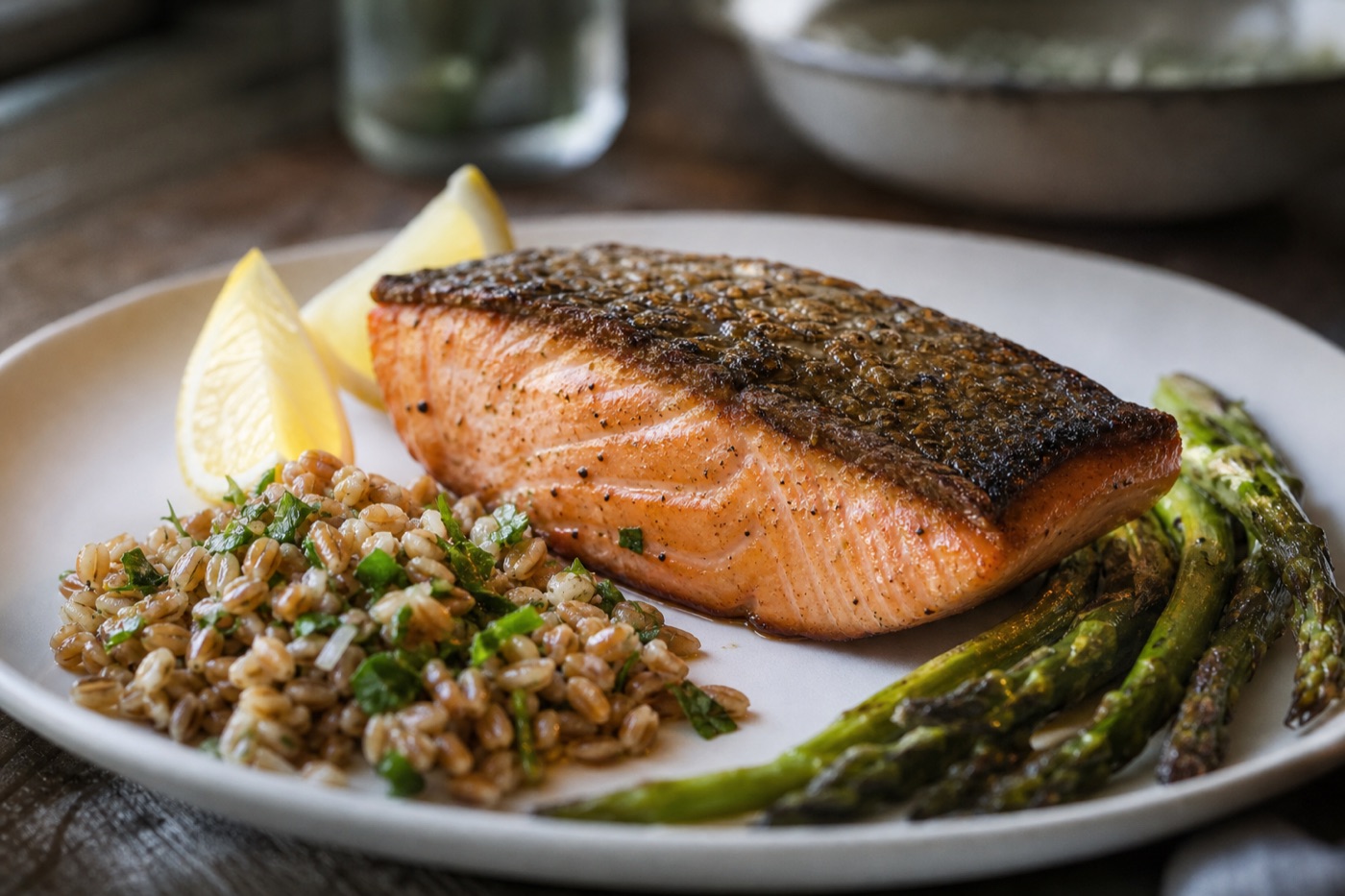
Salmon delivers protein, omega-3 fats and vitamin D in one fillet. Here is what a serving contains, how wild and farmed compare, and how to cook it without fuss.
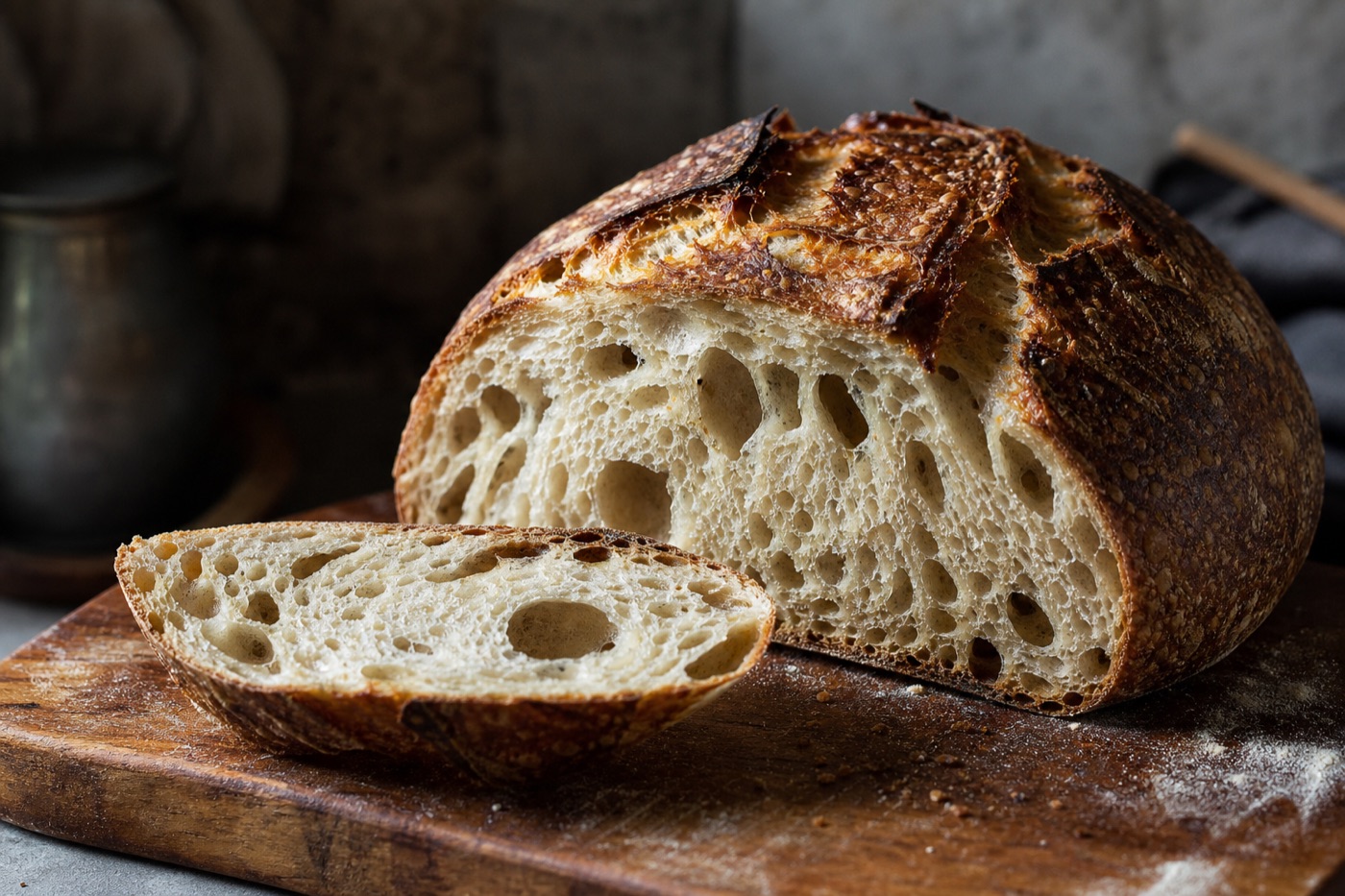
Sourdough's slow fermentation does change the loaf in useful ways. It does not turn white bread into whole grain, and it is definitely not gluten-free.
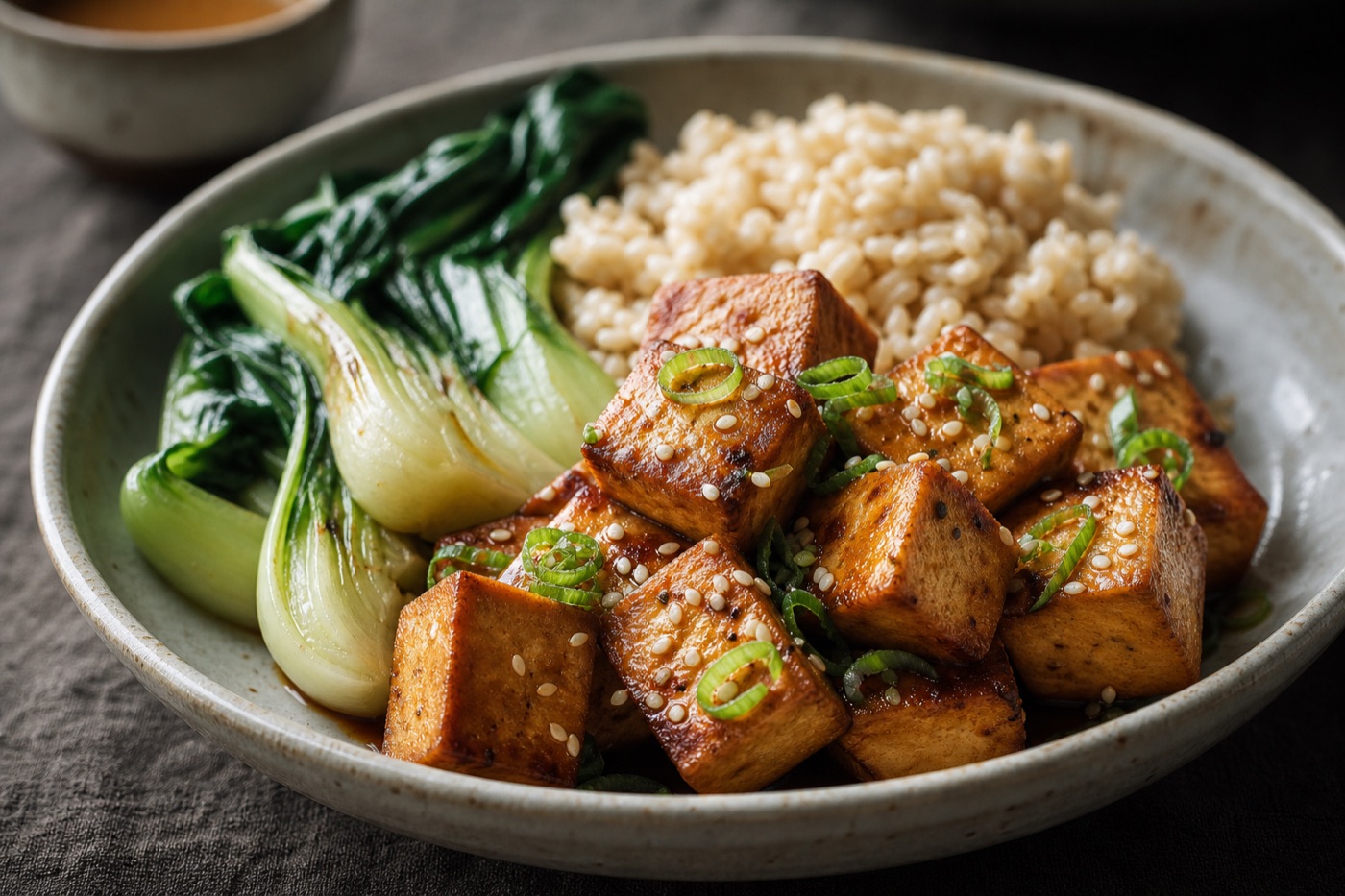
Tofu is cheap, versatile and full of complete plant protein. It also carries more myths than almost any food in the refrigerator case, so let us sort them out.
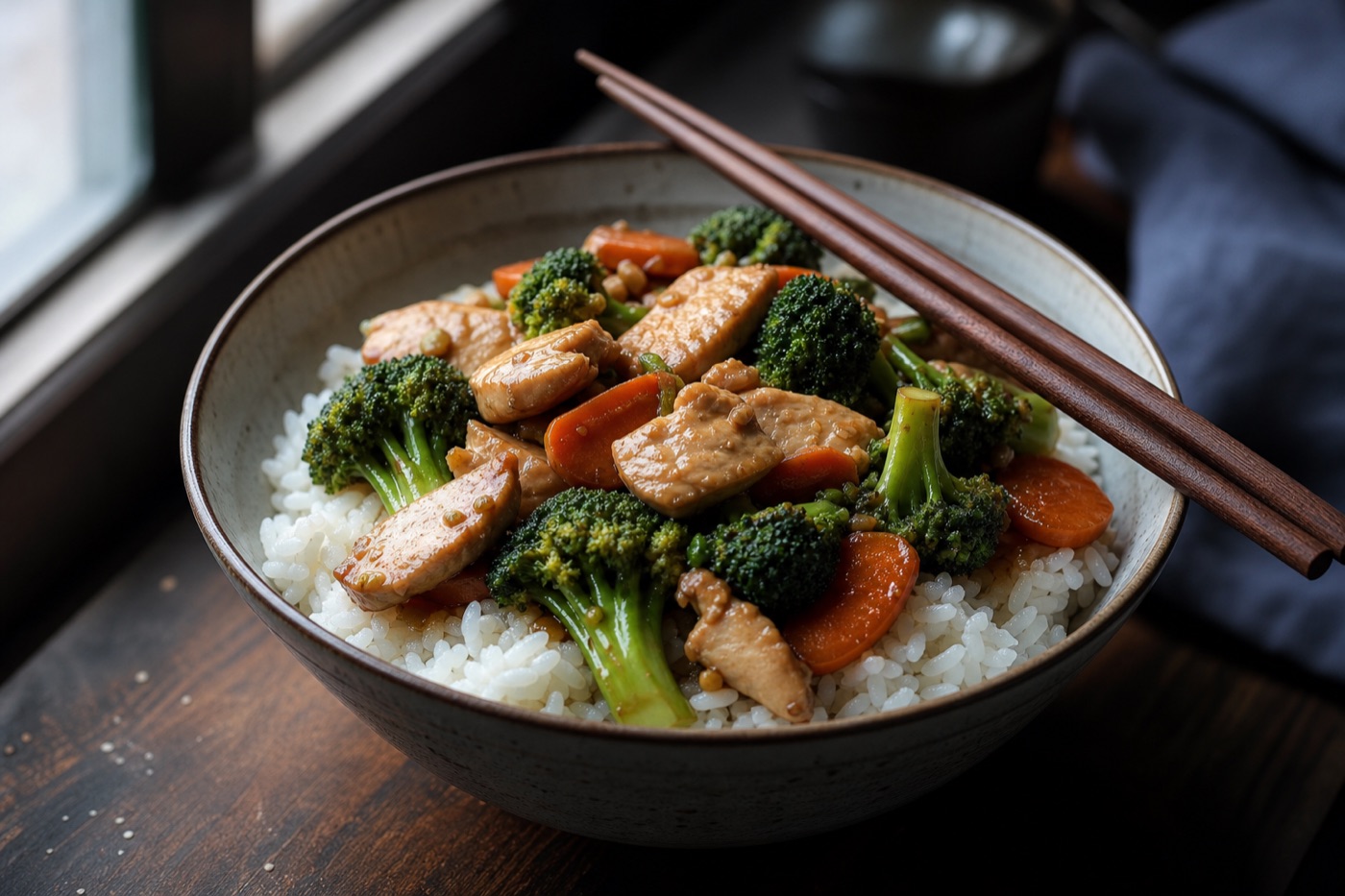
Half the planet eats it daily, yet white rice is often treated as a nutritional dead end. The truth is more useful: it depends on the bowl it lands in.