Is Tofu Healthy? The Plain Block That Does a Lot of Heavy Lifting
Tofu is cheap, versatile and full of complete plant protein. It also carries more myths than almost any food in the refrigerator case, so let us sort them out.
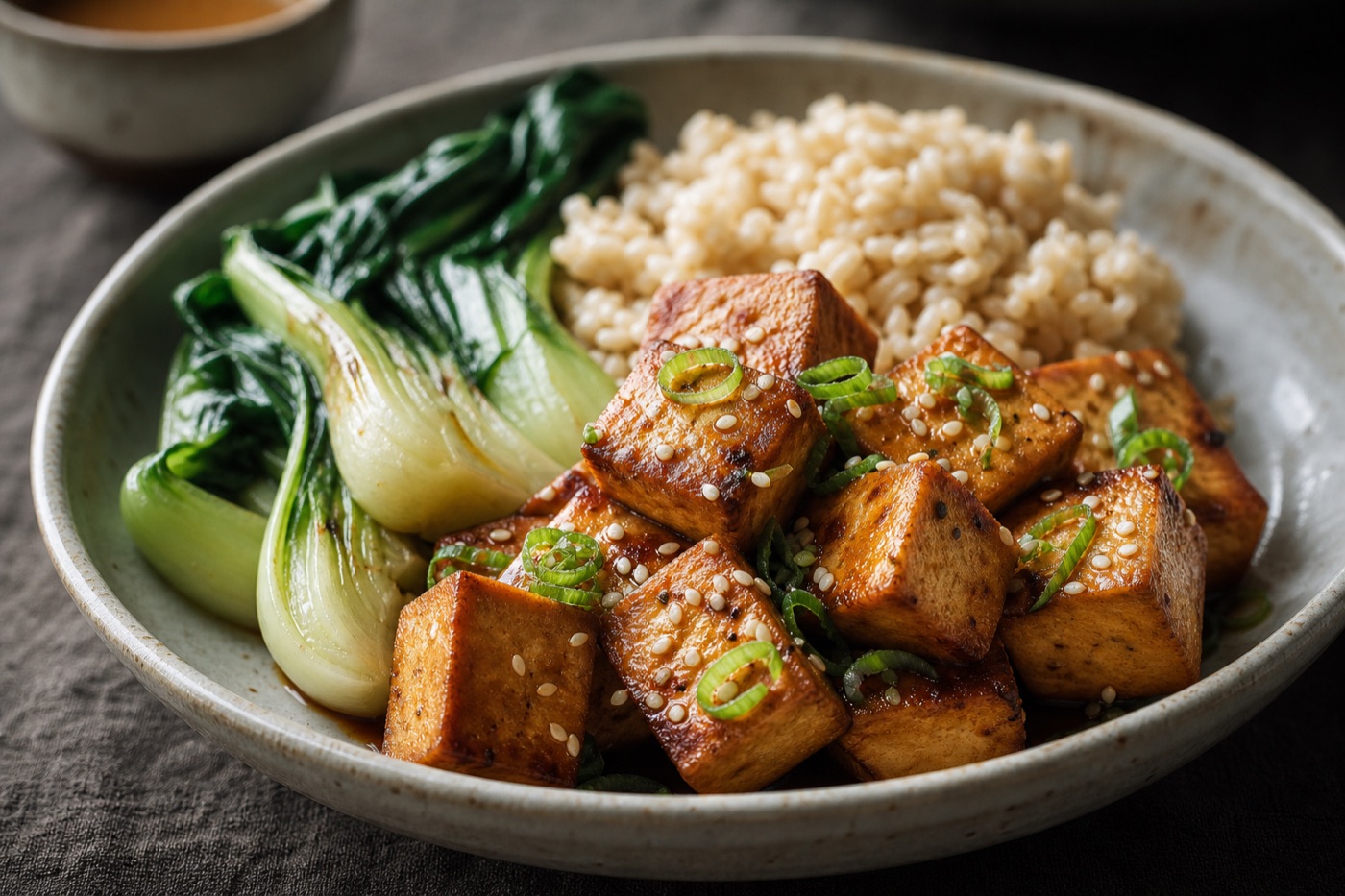
Tofu is healthy, and it deserves a better reputation than “the bland thing vegetarians eat.” It is one of the most protein-rich plant foods available, low in saturated fat and remarkably cheap. Most of the worries about soy come from studies of concentrated supplements or from rumors, not from a few servings of tofu a week.
What’s in it
Tofu is made by curdling soy milk and pressing the curds into blocks, much like cheesemaking. How firmly it is pressed changes the numbers. Three ounces (85 g) of firm tofu typically supply about 70 to 120 calories and about 8 to 12 grams of protein, with around 4 to 6 grams of fat, about 1 gram of it saturated, based on the range of values in USDA FoodData Central and on product labels. Silken tofu is softer and lighter, with fewer calories and less protein per ounce.
The coagulant matters for minerals. Tofu set with calcium sulfate can be one of the richest calcium sources in the store, while tofu set with magnesium chloride (nigari) carries more magnesium and less calcium. Tofu also contributes iron, manganese, phosphorus and some zinc.
The good
Complete plant protein. Soy protein contains all nine essential amino acids in useful proportions. For anyone eating less meat, tofu is one of the simplest ways to cover protein needs; our guide on how to eat more protein uses it often.
Low in saturated fat. Swapping tofu for fatty cuts of meat lowers saturated fat, which the Dietary Guidelines for Americans recommend keeping under 10 percent of daily calories. Its fat is mostly unsaturated.
Calcium without dairy. Calcium-set tofu can rival or beat a glass of milk on calcium, which matters for people who avoid dairy. The NIH Office of Dietary Supplements lists calcium-set tofu among useful plant sources.
Cheap protein. Per gram of protein, tofu is usually one of the most affordable options in the store, a point we make in eating healthy on a budget.
A sponge for flavor. Tofu tastes of very little, which means it takes on marinades, sauces and spices beautifully.
The catch
Texture can disappoint. Watery, spongy tofu is the most common complaint. It is a cooking problem, not a nutrition one, and it is easily fixed by pressing and choosing the right firmness.
Processed soy products vary. Plain tofu is a minimally processed food. Breaded, fried or heavily seasoned tofu products and some meat substitutes can carry more sodium and fat. Read labels.
Soy allergy. Soy is one of the major food allergens identified by the FDA, and people with soy allergy must avoid tofu entirely.
Medication timing. Soy may interfere with the absorption of thyroid hormone medication if eaten at the same time. This is about timing, not avoidance, and your doctor can advise.
How to eat it well
- Press it. Wrap firm or extra-firm tofu in a clean towel and set something heavy on top for 15 to 30 minutes. Less water means better browning and more flavor uptake.
- Brown it hot. Cut into cubes, toss with a teaspoon of cornstarch, and pan-fry in a little oil until golden on several sides. Finish with soy sauce, garlic and ginger.
- Bake a batch. Toss cubes with oil and seasonings and roast until crisp at the edges. They keep for several days in the fridge for bowls and salads.
- Blend silken tofu. Whir it into smoothies, creamy dressings, dips or puddings for an invisible protein boost.
- Build a bowl. Tofu over rice or noodles with plenty of vegetables makes a fast, balanced dinner; see our verdict on white rice.
- Mix your soy. Edamame, tempeh and fortified soy milk add variety. If you are choosing plant milks, our look at oat milk compares the options.
Who should go easy
Anyone with a soy allergy must avoid tofu. People with thyroid conditions, especially those taking thyroid medication, should ask their doctor about timing soy foods. Those with a history of hormone-sensitive cancers who have questions about soy should discuss them with their oncology team. People with kidney disease may have protein, phosphorus or potassium targets, and a registered dietitian can help fit tofu into them.
The verdict
Tofu is a nutritious, affordable, complete protein that suits almost any cuisine. Press it, season it boldly, and use it in place of fattier proteins a few times a week. For most people, soy foods in normal amounts are a safe and smart addition.
Your questions, answered
- Is tofu a complete protein?
- Yes. Soy protein contains all nine essential amino acids in amounts that meet human needs, which makes tofu one of the few plant foods that can stand in for meat or eggs on protein quality.
- Is it safe to eat tofu every day?
- For most people, yes. Soy foods like tofu have been eaten daily for centuries in many cuisines, and current evidence suggests normal amounts are safe. People with a soy allergy, thyroid conditions or specific medical concerns should ask their doctor.
- Does soy affect hormones?
- Soy contains isoflavones, plant compounds that are structurally similar to estrogen but act much more weakly. Research on soy foods in typical amounts has not shown harmful hormonal effects for most people. Supplements with concentrated isoflavones are a different matter and deserve a conversation with a clinician.
- Which tofu is healthiest?
- Firmer tofu has more protein and calories per ounce because it contains less water; silken tofu is softer and lighter. Calcium-set tofu, with calcium sulfate on the ingredient list, is an excellent calcium source. Choose by recipe and check the label.
Sources
- USDA FoodData Central
- Harvard T.H. Chan School of Public Health, The Nutrition Source
- NIH Office of Dietary Supplements
- U.S. Food and Drug Administration
General information, not medical advice. If a food decision depends on your health, talk to a doctor or registered dietitian.
Nell writes the How-To guides: budgets, grocery lists, eating out and fitting good food into a busy week.
More from Nell
More from The Healthy Eaters
- Are Almonds Healthy? A Handful With Surprising Range
Almonds bring vitamin E, magnesium, fiber and good fats in a pocket-sized package. The only real trick is knowing when a handful becomes a bagful. - Are Bananas Healthy? The Case for Fruit's Most Portable Snack
Bananas get side-eye for their sugar and carbs. Here is what one actually contains, why ripeness changes the picture, and who should keep count. - Are Eggs Healthy? The Cholesterol Question, Cracked Open
Eggs have been nutrition's favorite villain and its favorite hero, sometimes in the same decade. Here is where the evidence sits now, and what goes on the plate beside them. - Are Potatoes Healthy? Rescuing the Spud From Its Reputation
The humble potato is richer in potassium and vitamin C than most people assume. How it gets to your plate matters far more than the potato itself.