Is Honey Healthy? Sweet, Natural and Still Sugar
Honey has a halo that table sugar can only dream of. It is a lovely food, but your body files it in roughly the same drawer as the sugar bowl.
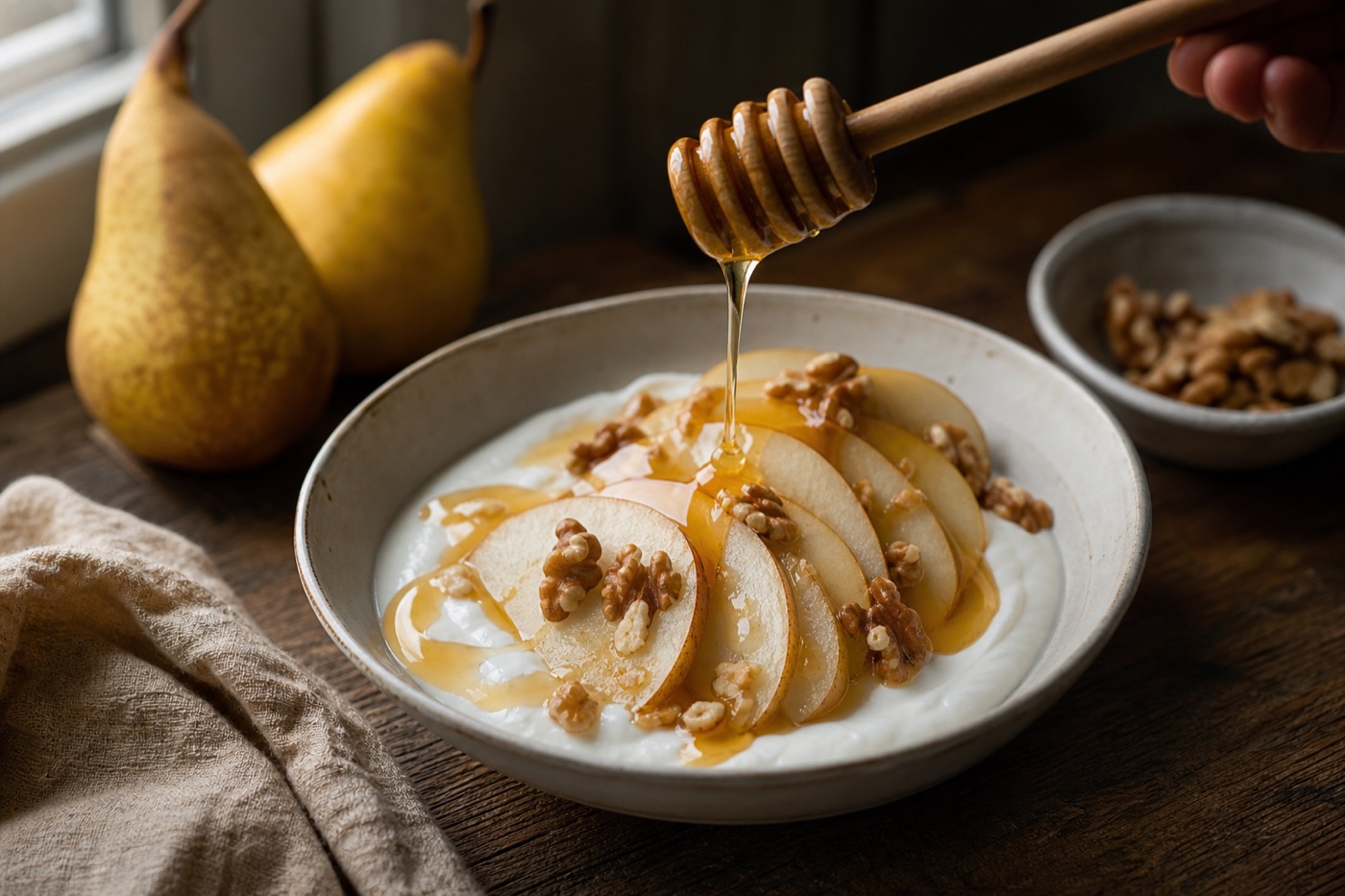
Honey is delicious, and it is sugar. It does arrive with a few trace extras that refined sugar lacks, and it has genuine uses, such as calming a scratchy throat. But it does not cancel out the advice on added sugars, so treat it as a flavor, not a supplement.
What’s in it
A tablespoon of honey (about 21 g) has around 64 calories and roughly 17 grams of sugar, mostly a mix of fructose and glucose, according to typical USDA FoodData Central values. The rest is mainly water. There is essentially no fat, protein or fiber.
Honey also holds tiny amounts of minerals, amino acids and plant compounds called polyphenols, which act as antioxidants. Darker honeys tend to carry more of these than pale ones. The quantities are small, though, and you would need to eat far more honey than anyone should to make them count.
Because honey is denser than granulated sugar, a teaspoon has about 21 calories compared with about 16 for a teaspoon of white sugar.
The good
Big flavor in small amounts. Honey tastes sweeter than table sugar to most people, and its floral, caramel or even malty notes mean a drizzle can go further than a spoonful of sugar. That can help you use less overall.
A soothing spoonful. Honey is a long-standing home remedy for coughs and sore throats. The CDC lists it among ways to ease cough symptoms in adults and in children at least 1 year old.
Minimally processed. Most honey is simply extracted, strained and bottled. For people who prefer whole, single-ingredient foods, that is part of the appeal.
A friendlier sweetener for plain foods. A teaspoon of honey stirred into plain yogurt or oatmeal usually adds far less sugar than buying a presweetened version of the same food. We explain why plain is the smarter starting point in is Greek yogurt healthy.
The catch
It counts as added sugar. The Dietary Guidelines for Americans recommend keeping added sugars under 10 percent of daily calories, which is about 50 grams on a 2,000-calorie day. Honey counts toward that total, and the FDA includes its sugar in the “Added sugars” line on Nutrition Facts labels. Three tablespoons of honey would use up roughly that whole daily allowance.
Blood sugar still rises. Honey is digested as sugar. It may raise blood glucose slightly differently from table sugar, but it is not a free pass for people managing their blood sugar.
The halo effect. Products sweetened with honey are often marketed as wholesome. A cereal, bar or granola with honey on the front can carry as much total sugar as one sweetened with cane sugar; our look at granola shows how that plays out.
Teeth. Sticky sweeteners cling to teeth, so honey is no kinder to enamel than other sugars.
How to eat it well
- Measure, then drizzle. Use a teaspoon rather than pouring from the bottle. A thin zigzag looks generous and adds about 20 calories.
- Sweeten plain foods yourself. Add a teaspoon to plain yogurt, oatmeal or tea instead of buying flavored versions.
- Use it in dressings and glazes. A teaspoon of honey balances a mustard vinaigrette or a sheet pan of carrots, and that small amount spreads across several servings.
- Pair it with fat, protein or fiber. Honey on whole-grain toast with nut butter, or over yogurt with nuts, makes the sweetness part of a more balanced snack.
- Trim gradually. If you sweeten coffee or tea with honey daily, cut the amount by a little each week. Our guide on how to cut back on sugar has a step-by-step plan.
Who should go easy
Babies under 12 months must not have honey, raw or pasteurized, in any form, including baked goods. The CDC warns that honey can contain spores that cause infant botulism, a serious illness. The Dietary Guidelines also advise avoiding added sugars of any kind for children under 2.
People with diabetes or prediabetes should count honey as part of their carbohydrate and sugar intake and ask a doctor or registered dietitian how it fits. Anyone with a pollen or bee-product allergy should check with an allergist before eating raw honey.
The verdict
Honey is a natural, flavorful sweetener that deserves a spot in the pantry, not a place on the supplement shelf. Use it by the teaspoon to brighten plain foods, count it as added sugar, and keep it far away from anyone under a year old.
Your questions, answered
- Is honey healthier than sugar?
- Only slightly, if at all. Honey contains small amounts of antioxidants and minerals that white sugar lacks, and because it tastes sweeter you may use a little less. But per teaspoon it has a few more calories than sugar, and your body handles both as sugar.
- Is raw honey better than regular honey?
- Raw honey is less processed and may keep more pollen and trace plant compounds, but the nutrition differences are small. Raw honey is no safer for infants; no honey of any kind should be given to babies under 12 months old.
- Does honey help a cough?
- Honey is widely used to soothe coughs, and the CDC lists it among ways to relieve cough symptoms for adults and children at least 1 year old. It is not a treatment for infections, so see a doctor if a cough lasts, worsens or comes with a high fever.
- Can people with diabetes eat honey?
- Honey raises blood sugar much like other sugars, so it needs to be counted within a diabetes meal plan. A doctor or registered dietitian can help decide whether and how much honey fits your targets.
Sources
- USDA FoodData Central
- Dietary Guidelines for Americans
- Centers for Disease Control and Prevention
- U.S. Food and Drug Administration
General information, not medical advice. If a food decision depends on your health, talk to a doctor or registered dietitian.
Nell writes the How-To guides: budgets, grocery lists, eating out and fitting good food into a busy week.
More from Nell
More from The Healthy Eaters
- Are Almonds Healthy? A Handful With Surprising Range
Almonds bring vitamin E, magnesium, fiber and good fats in a pocket-sized package. The only real trick is knowing when a handful becomes a bagful. - Are Bananas Healthy? The Case for Fruit's Most Portable Snack
Bananas get side-eye for their sugar and carbs. Here is what one actually contains, why ripeness changes the picture, and who should keep count. - Are Eggs Healthy? The Cholesterol Question, Cracked Open
Eggs have been nutrition's favorite villain and its favorite hero, sometimes in the same decade. Here is where the evidence sits now, and what goes on the plate beside them. - Are Potatoes Healthy? Rescuing the Spud From Its Reputation
The humble potato is richer in potassium and vitamin C than most people assume. How it gets to your plate matters far more than the potato itself.