How to Eat Healthy on a Budget: Cheap Food That Actually Feeds You
Healthy eating does not require a specialty grocer or a superfood budget. It requires a plan, a few humble staples and a freezer you are not afraid to use.
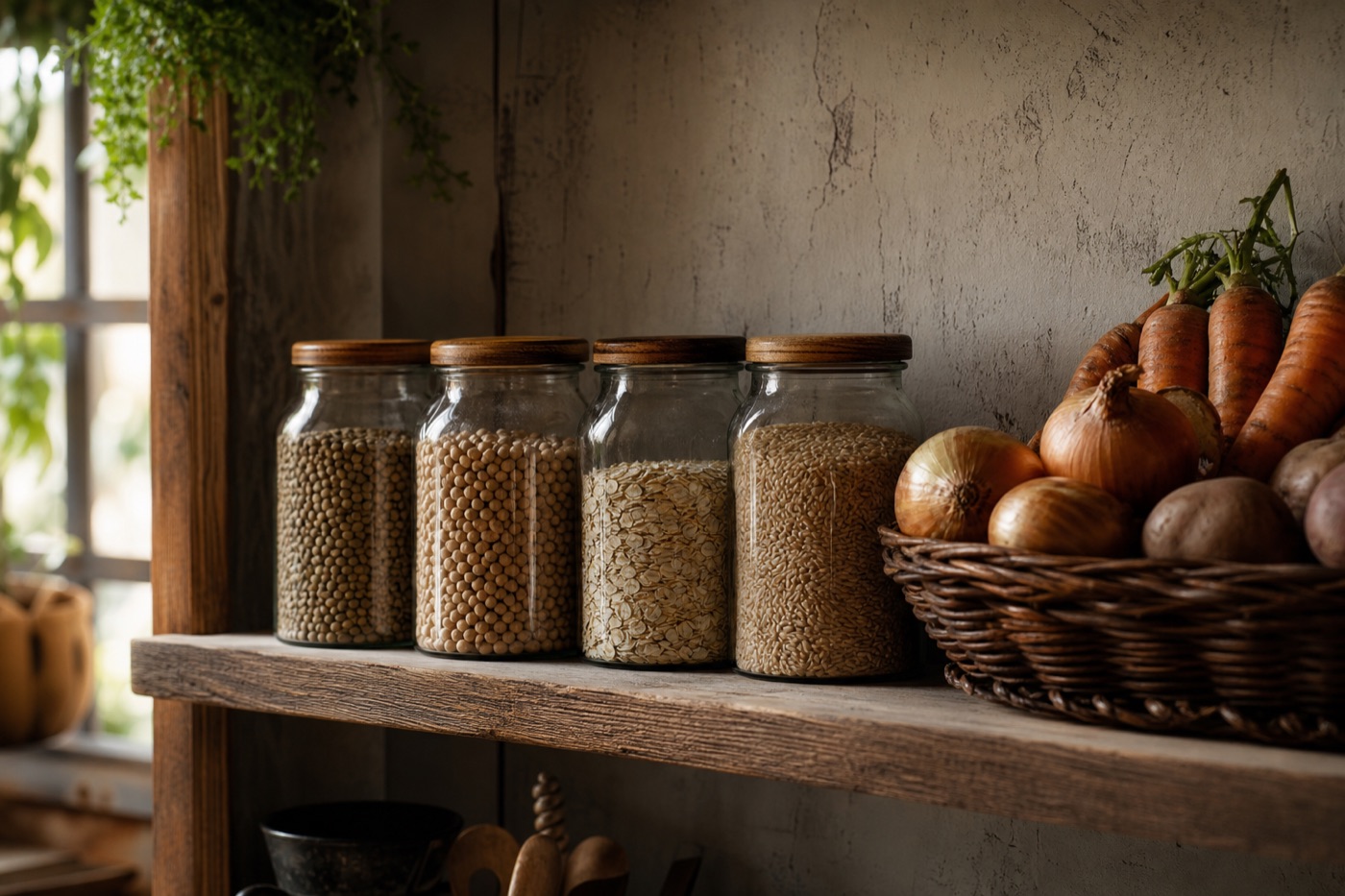
The short answer: plan your week, build meals around cheap staples, lean on frozen and canned produce, and cook enough to have leftovers. Healthy eating gets expensive when you buy food on impulse, let it rot in the crisper and fill the gaps with takeout. A little structure fixes most of that.
1. Plan before you shop
Twenty minutes with a notepad on the weekend saves more money than any coupon. Pick four or five dinners for the week, check what you already have, and write a list based on those meals. Plan at least one “use it up” night for leftovers and odds and ends.
MyPlate offers free meal-planning and budgeting resources if you want templates.
2. Build meals on cheap staples
A few humble foods do most of the work in a budget kitchen. Here is a starting set:
| Staple | Why it earns its spot |
|---|---|
| Dried or canned beans and lentils | Protein and fiber for very little money |
| Eggs | Fast, complete protein |
| Oats | Cheap whole-grain breakfast |
| Brown or white rice | Stretches any meal |
| Potatoes | Filling and rich in potassium |
| Frozen vegetables | No waste, ready in minutes |
| Canned tomatoes | The base for sauces, soups and stews |
| Canned tuna or salmon | Shelf-stable fish |
| Peanut butter | Long-lasting protein and healthy fat |
| Bananas, apples, cabbage, carrots, onions | Durable, inexpensive produce |
We look closer at a few of these in is peanut butter healthy and are potatoes healthy.
3. Use frozen and canned without guilt
Frozen fruit and vegetables are usually frozen soon after harvest, keep well and never wilt. Canned beans, tomatoes and fish are just as useful. Choose low-sodium or no-salt-added cans when you can, or rinse canned beans to remove some of the salt.
4. Make beans your best friend
A bag of dried beans or lentils feeds a family for days. Lentils cook in about 20 to 30 minutes without soaking. Swap half the ground meat in chili, tacos or pasta sauce for beans or lentils, and you cut the cost and add fiber. Tofu is another low-cost protein that takes on any flavor.
5. Read the unit price
The big number on the shelf tag is the package price. The small number is the unit price, per ounce or per pound, and that is the one to compare. Store brands, larger bags of staples and bulk bins often win, but not always.
6. Buy produce in season
In-season fruit and vegetables are usually cheaper and taste better. Durable produce such as carrots, cabbage, onions, sweet potatoes, apples and citrus lasts for weeks, which helps when you shop less often.
7. Cook once, eat twice
Make a big pot of soup, chili, curry or grain salad and plan for leftovers. Freeze portions for nights when cooking is not happening. Batch-cooking a tray of roasted vegetables and a pot of grains on Sunday makes weekday meals almost free of effort.
8. Waste less
Food you throw out is money you threw out. Store produce properly, keep older items at the front of the fridge, turn soft vegetables into soup or frittatas, and freeze bread and ripe bananas before they turn.
9. Cut the costly extras
Soda, juice drinks, single-serve snacks and pre-cut convenience foods add up fast. Swapping sugary drinks for tap water alone can free up meaningful money each month, and it is good for your health too.
10. Use the help available
If money is tight, federal nutrition programs such as SNAP and WIC help eligible households buy food. Many communities also have food banks and pantries that offer produce, staples and sometimes cooking classes.
An example budget shopping list
- Dried lentils, canned chickpeas and black beans
- A dozen eggs
- Large tub of plain yogurt
- Oats, brown rice, whole-wheat pasta
- Potatoes, onions, carrots, cabbage
- Bananas and apples
- Frozen broccoli, spinach and mixed vegetables
- Canned tomatoes and canned tuna
- Peanut butter
- Spices: chili powder, cumin, garlic powder
For a full template, see how to build a healthy grocery list.
The short version
Plan four or five meals, shop with a list, and build everything around beans, eggs, oats, rice, potatoes and frozen vegetables. Compare unit prices, buy in season, cook in batches and use leftovers. Skip sugary drinks and packaged snacks, and lean on food assistance programs if you need them. Cheap and healthy are not opposites.
Your questions, answered
- What are the cheapest healthy foods?
- Dried and canned beans, lentils, eggs, oats, brown rice, potatoes, cabbage, carrots, onions, bananas, frozen vegetables, canned tomatoes and canned fish are consistently among the best value. Peanut butter and plain yogurt in large tubs are also good buys.
- Are frozen vegetables as healthy as fresh?
- Yes, generally. Frozen vegetables are usually frozen soon after harvest and keep their nutrients well. They are often cheaper, last for months and cut down on waste. Choose plain versions without heavy sauces.
- How can I eat healthy when money is very tight?
- Focus on a few staples you can cook in bulk, such as beans, rice, oats, eggs and frozen vegetables. Federal programs like SNAP and WIC help eligible households buy food, and local food banks often offer produce and staples.
- Is it cheaper to cook at home?
- Almost always. Cooking a pot of soup, beans or grain bowls at home typically costs a fraction of the same number of restaurant or takeout meals, and it lets you control salt, sugar and portion sizes.
Sources
General information, not medical advice. If a food decision depends on your health, talk to a doctor or registered dietitian.
Clara runs The Healthy Eaters and edits every verdict before it goes out. She likes food writing that answers the question in the first paragraph.
More from Clara
More from The Healthy Eaters
- How to Build a Healthy Grocery List You Will Actually Use
A good grocery list is the most underrated health tool in your kitchen. Here is how to write one in 15 minutes, with a template you can copy. - How to Count Calories Accurately, Without Making It Your Whole Personality
Calorie counting is a useful tool for learning portions and reaching a goal. Done carelessly, it is guesswork with extra steps. Here is how to do it well. - How to Cut Back on Sugar Without Declaring War on Dessert
Most added sugar does not come from the cake you see coming. It comes from drinks, breakfast and snacks. Start there, taper slowly and keep the treats you love. - How to Eat Healthy at Restaurants Without Ordering a Sad Salad
Restaurant meals tend to be bigger, saltier and richer than what you cook at home. A few ordering habits handle most of that, and you still get dinner out.