How to Eat More Vegetables When You Do Not Especially Love Them
Most adults fall short on vegetables, and lectures have not helped. Better cooking, smarter shopping and a few sneaky additions work far better.
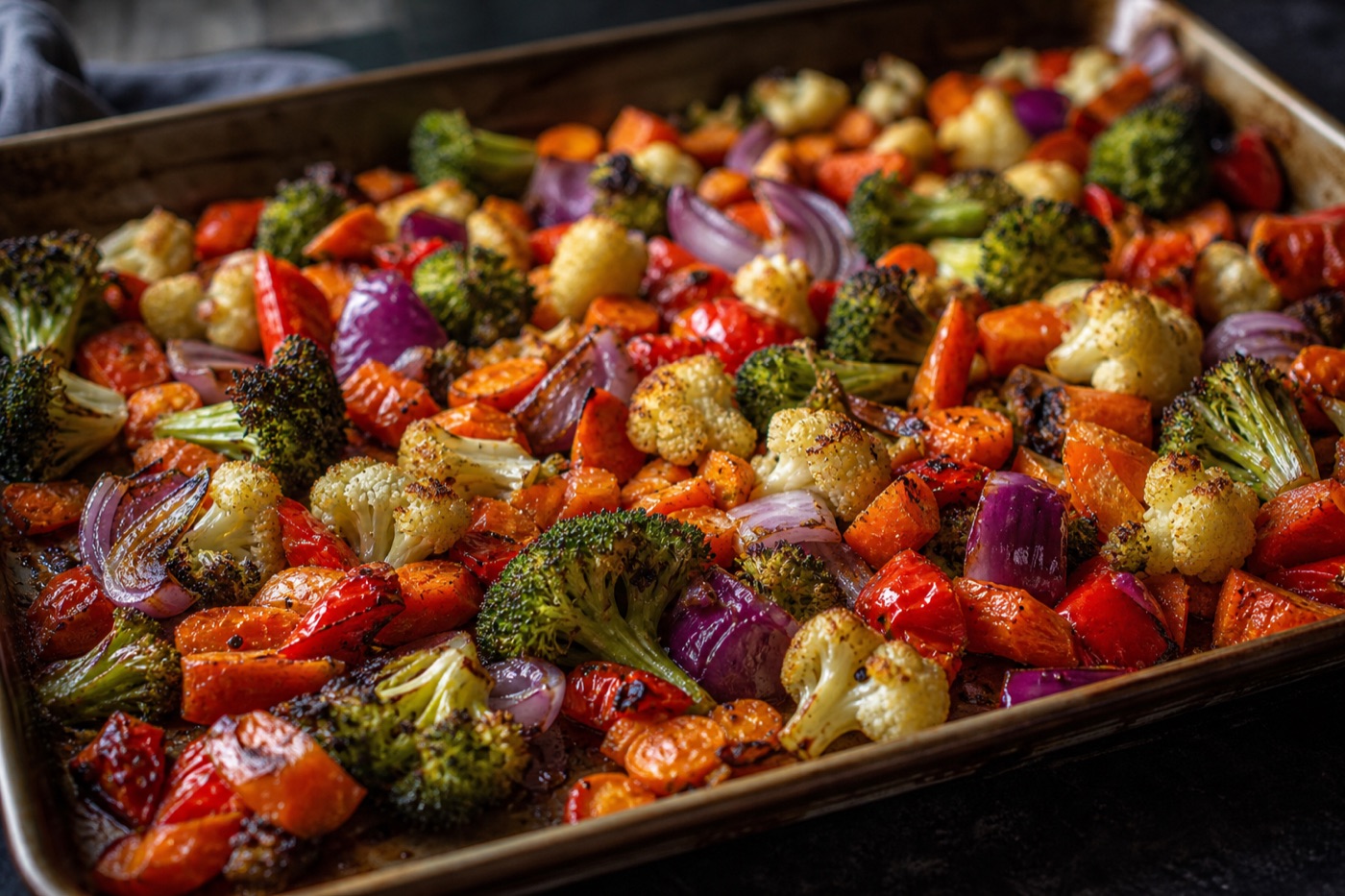
The short answer: add a vegetable to every meal, cook them in ways that actually taste good, and keep frozen ones on hand for nights when the fresh ones have wilted. Most adults need about 2.5 cups a day, which sounds like a lot until you see how quickly a handful here and a scoop there adds up.
1. Know the target and what counts
The Dietary Guidelines for Americans recommend about 2.5 cup-equivalents of vegetables per day on a 2,000-calorie diet. MyPlate counts 1 cup of raw or cooked vegetables, 1 cup of 100% vegetable juice, or 2 cups of raw leafy greens as one cup-equivalent. Fresh, frozen, canned and dried all count. CDC data have long shown that most American adults fall short, so if you are struggling, you are in large company.
2. Put a vegetable in breakfast
Breakfast is the meal most often missing vegetables. Easy entry points:
- Scrambled eggs with spinach, tomatoes or leftover roasted vegetables
- A handful of greens blended into a fruit smoothie (you will not taste it)
- Avocado toast topped with sliced tomato or cucumber
- A breakfast burrito with peppers, onions and black beans
3. Let vegetables fill half the plate
At lunch and dinner, aim for vegetables to take up half the plate. A side salad, a pile of roasted broccoli or a scoop of sautéed greens is enough. When the vegetable portion grows, the rest of the plate naturally balances out.
4. Roast like you mean it
Boiled, gray vegetables have done more damage to vegetable consumption than anything else. Roasting changes everything. Toss chopped vegetables with a tablespoon of olive oil and a pinch of salt, spread them in a single layer and roast at about 425°F for 20 to 30 minutes, until the edges are browned. Finish with lemon juice, garlic or herbs. Our verdict on olive oil explains why a little fat helps.
5. Stock the freezer
Frozen broccoli, spinach, peas, green beans, cauliflower and stir-fry mixes are ready in minutes and never go bad in the crisper. Add a handful to soups, pasta, rice, eggs or curries straight from the bag.
6. Hide them in plain sight
- Stir grated zucchini or carrots into pasta sauce, meatballs or muffins.
- Blend roasted red peppers or butternut squash into creamy sauces.
- Add a bag of spinach to soups and stews at the last minute.
- Mix chopped mushrooms into ground meat for burgers or tacos.
Our verdict on pasta suggests aiming for equal volumes of noodles and vegetables.
7. Prep once, snack all week
Wash and cut carrots, peppers, cucumbers, celery and snap peas on the weekend and store them in clear containers at eye level in the fridge. When vegetables are the easiest thing to grab, you grab them. Pair them with hummus, yogurt dip or guacamole.
8. Make soup and sheet-pan meals your defaults
Vegetable-heavy soups, chilis, curries and sheet-pan dinners pack several cups of vegetables into one pot or pan. They also reheat well, which makes them perfect for busy weeks. See how to eat healthy when busy for more shortcuts.
9. Order vegetables when you eat out
Ask for a side salad or steamed vegetables instead of fries, add vegetables to pizza and omelets, and choose dishes with vegetables in the name.
10. Try one new vegetable a week
Variety matters, since each vegetable subgroup, dark green, red and orange, beans and peas, starchy and others, brings different nutrients. Picking one new vegetable a week keeps meals interesting and widens your options.
An example day that clears 2.5 cups
| Meal | Vegetables | Approx. cups |
|---|---|---|
| Breakfast | Spinach in scrambled eggs (2 cups raw) | 1 |
| Lunch | Side salad with tomatoes and cucumber | 0.5 |
| Snack | Carrot and pepper sticks with hummus | 0.5 |
| Dinner | Roasted broccoli and cauliflower | 1 |
| Total | about 3 |
For picky eaters
Start with milder vegetables like carrots, peas, corn, sweet potatoes and bell peppers. Serve them alongside foods people already like. Offer them again and again without pressure; tastes change with repeated exposure. Dips, cheese and spices are allowed.
The short version
Aim for about 2.5 cups a day. Add a vegetable to breakfast, fill half your plate at lunch and dinner, roast instead of boil, keep frozen vegetables handy, hide them in sauces and soups, and prep raw ones for snacking. Fresh, frozen and canned all count, and good cooking does most of the convincing.
Your questions, answered
- How many vegetables should I eat a day?
- The Dietary Guidelines recommend about 2.5 cup-equivalents of vegetables a day for someone eating 2,000 calories, with needs ranging higher or lower depending on age, sex and activity. MyPlate has a tool that estimates your personal target.
- Are frozen vegetables as healthy as fresh?
- Generally, yes. Frozen vegetables are usually frozen soon after harvest and keep their nutrients well. Plain frozen vegetables are a convenient, low-waste way to hit your target.
- How can I make vegetables taste better?
- Roast them at high heat with olive oil and salt until browned, finish with lemon, garlic, herbs or a sprinkle of cheese, and avoid overboiling. Pairing vegetables with foods you already like, such as pasta, eggs or tacos, also helps.
- Do potatoes count as vegetables?
- Yes. MyPlate classifies potatoes as starchy vegetables. For variety, it is worth including dark green, red and orange vegetables, and beans and peas as well, since each subgroup offers different nutrients.
Sources
- MyPlate (USDA)
- Dietary Guidelines for Americans
- Centers for Disease Control and Prevention
- Harvard T.H. Chan School of Public Health, The Nutrition Source
General information, not medical advice. If a food decision depends on your health, talk to a doctor or registered dietitian.
Nell writes the How-To guides: budgets, grocery lists, eating out and fitting good food into a busy week.
More from Nell
More from The Healthy Eaters
- How to Build a Healthy Grocery List You Will Actually Use
A good grocery list is the most underrated health tool in your kitchen. Here is how to write one in 15 minutes, with a template you can copy. - How to Count Calories Accurately, Without Making It Your Whole Personality
Calorie counting is a useful tool for learning portions and reaching a goal. Done carelessly, it is guesswork with extra steps. Here is how to do it well. - How to Cut Back on Sugar Without Declaring War on Dessert
Most added sugar does not come from the cake you see coming. It comes from drinks, breakfast and snacks. Start there, taper slowly and keep the treats you love. - How to Eat Healthy at Restaurants Without Ordering a Sad Salad
Restaurant meals tend to be bigger, saltier and richer than what you cook at home. A few ordering habits handle most of that, and you still get dinner out.